What If Your Phone Could Keep Your Child Safe—Without You Lifting a Finger?
Imagine you're in a crowded mall, juggling groceries, your bag, and a crying toddler—when you suddenly realize your older child is no longer holding your hand. Your heart drops. We’ve all feared that moment. Technology can’t eliminate worry, but it can turn panic into peace. Today, smart tools quietly work in the background, helping parents protect their kids not with constant vigilance, but with gentle, automatic support—freeing you to breathe, focus, and simply be present. It’s not about replacing your instincts. It’s about giving them a quiet backup.
The Moment Every Parent Dreads – And Why We Need Smarter Help
You’re at the park on a sunny Saturday. Your youngest is splashing in the fountain, your coffee is finally hot enough to sip, and your older child has just raced off toward the climbing wall with a new friend. You glance down to wipe a stray crumb from your skirt—and when you look up, they’re gone. Not just out of sight, but truly missing in the sea of kids and strollers and laughing voices. Your breath catches. Your pulse spikes. For a few terrifying seconds, the world narrows to one thought: Where is my child?
We’ve all been there, or we’ve come close enough to feel the chill. And if you’ve never lost a child, you’ve probably imagined it. It’s not a sign of poor parenting. It’s a sign of being human. Our attention is stretched—by work, by little ones, by to-do lists that never end. We’re not failing when we get distracted. We’re just living modern life.
But here’s the truth: the world our children grow up in is different from the one we knew. More traffic. More strangers. More screens pulling their attention—and ours. We can’t go back to the days when kids roamed the neighborhood from breakfast to dinner with nothing but a sandwich and a whistle. And honestly? Even then, safety wasn’t guaranteed. What’s changed is that now, we have tools that can help us stay connected without being clingy, involved without being overbearing.
That’s where technology steps in—not to replace your role, but to support it. Think of it like a seatbelt. You still drive carefully. You still watch the road. But the seatbelt is there, just in case. Smart safety tools work the same way. They don’t make you a less attentive parent. They make you a more prepared one.
How Invisible Tech is Changing Child Safety
Not long ago, the only options for keeping track of your child were pretty basic: bright-colored backpacks, wrist tethers at the mall, or those little walkie-talkies that always seemed to die at the worst time. Some parents used whistles or agreed on meeting spots. And while those methods had their place, they relied heavily on memory, consistency, and luck. If your child forgot the whistle or wandered past the meeting tree, you were back to square one.
Now, a new kind of safety is unfolding—one that’s silent, smart, and always on. It’s not flashy. You won’t see wires or blinking lights. Instead, it’s built into the devices your family already uses: smartphones, smartwatches, even backpack clips. These tools don’t scream for attention. They whisper when they need to. And that’s what makes them so powerful.
Take location tracking, for example. It’s not about spying or control. It’s about knowing—without having to ask—that your child made it off the bus safely. Or that they arrived at their friend’s house after school. This isn’t new tech, but it’s finally becoming simple enough for real life. Most smartphones can share location with family members in just a few taps. No complicated setup. No tech degree required.
Then there’s geofencing—a fancy word for a simple idea. You draw a digital boundary around a place, like your child’s school or the park. When they enter or leave that zone, your phone gets a quiet notification. No need to text and interrupt their playtime. No need to hover. You just know. And if something’s off—like your child leaving school early—you’re alerted immediately. It’s like having a gentle radar that only speaks up when it matters.
Emergency alerts are another game-changer. Some smartwatches let kids press and hold a button to send their location and a message to parents. No fumbling with apps. No stress. Just one touch, and help is on the way. These tools aren’t for every moment. But for the ones that count, they can make all the difference.
Real Life, Real Relief: A Day in the Life with Smart Safety
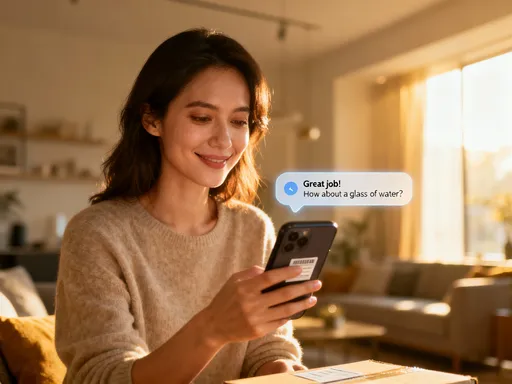
Let’s walk through a typical Tuesday with Maya, a mom of two, and see how these tools weave into her day without adding more to her plate. Her morning starts early—lunches packed, backpacks zipped, shoes found (eventually). She drops her 10-year-old, Liam, at the school gate with a quick hug. As he walks in, her phone buzzes softly: Liam has arrived at school. She smiles. No more wondering. No more calling the office to check.
Later, during her work call, she remembers Liam has soccer practice after school. Normally, that’s a nagging thought in the back of her mind: Did he remember? Did he get there okay? But today, another notification pops up: Liam has entered the soccer field perimeter. She exhales. She can focus on her presentation without distraction.
After work, she picks up her younger daughter from daycare. Liam is at a friend’s house for homework time. She’s never met the friend’s parents, so she feels a little uneasy. But she knows the family has shared location access, and she’s set a geofence around their home. If Liam leaves, she’ll know. And when he heads back, she gets a ping: Liam is on his way home. She doesn’t have to call. She doesn’t have to worry. She just waits, calmly.
That evening, while helping with math homework, Liam’s watch buzzes. He shows her the screen: a message from his friend asking if he can stay for dinner. Maya checks the family app, sees they’re still at the house, and gives a quick thumbs-up. No shouting across rooms. No lost phones. Just smooth, quiet coordination.
And when bedtime comes, she doesn’t lie awake wondering if he’s safe. She knows he is. Not because she’s watching every move. But because she’s set up a system that watches with her. That’s the real magic—technology that doesn’t add stress, but lifts it.
Choosing Tools That Fit Your Family—Without the Tech Headache
Now, I know what you might be thinking: This all sounds great, but isn’t it complicated? What about privacy? What if the battery dies? What if I can’t figure it out? These are real concerns. And they’re completely valid. The last thing any parent needs is another app that eats battery, drains data, or requires a manual the size of a novel.
The good news? You don’t need to be a tech expert. You don’t even need to buy anything new. If you and your child have smartphones, you already have the basics. Built-in features like Find My (on Apple devices) or Location Sharing (on Android) are free, easy to set up, and surprisingly reliable. Just open the app, tap to share, and choose how long. You can share for an hour, until the end of the day, or all the time—whatever feels right for your family.
If you want something more dedicated, there are kid-friendly smartwatches like the Garmin Jr or the Samsung Kids Watch. They’re designed for safety first: long battery life, simple interfaces, and SOS buttons. No social media. No games that never end. Just calls, messages, and location sharing. And the best part? They’re built to respect privacy. You control who sees what. You decide when to share. And you can turn it off anytime.
When choosing a tool, focus on three things: simplicity, reliability, and privacy. Does it work without constant charging? Can you share access with your partner or a trusted babysitter without hassle? Are your child’s data encrypted and stored securely? These aren’t just technical details—they’re peace-of-mind essentials.
And remember: you don’t have to do it all at once. Start small. Try just one feature—like arrival notifications at school—for a week. See how it feels. If it helps, add another. If not, try something else. This isn’t about perfection. It’s about progress. Your family is unique. Your safety plan should be too.
Beyond Tracking: How Safety Tech Builds Independence
Here’s a thought that might surprise you: the goal of these tools isn’t to keep your child tethered to you. It’s to give them freedom. Think about it. When you know your child is safe, you’re more likely to say yes. Yes to walking to the library with a friend. Yes to riding their bike to the corner store. Yes to staying after school for club meetings.
These moments matter. They’re where kids learn independence, build confidence, and practice decision-making. But as parents, we often hesitate. Not because we don’t trust our kids—but because we don’t trust the world. Technology helps bridge that gap. It doesn’t remove risk—it manages it. And in doing so, it gives both you and your child more room to grow.
Older kids, especially, appreciate this balance. A 13-year-old doesn’t want to feel watched. But they might be okay with a watch that lets them check in with Mom quietly. Or an app that shows Dad they’re home from the movie—without having to text and interrupt the group chat. It’s not about surveillance. It’s about connection. It’s about saying, I trust you. But I also care.
And that’s powerful. When kids know their parents aren’t hovering, but are still there if needed, they feel supported—not smothered. They learn to take smart risks. To navigate the world with awareness. To be responsible, not because they’re being watched, but because they know they’re loved.
One mom told me, ‘My daughter used to roll her eyes when I asked where she was. Now, she’ll say, “Mom, I’m at the café with Sarah. The app probably told you already.”’ They both laugh. The trust is there. The tech just made it easier to show.
Protecting More Than Location—Digital Safety as Part of the Whole Picture
Let’s be honest: the world our kids navigate isn’t just physical. It’s digital, too. And while we worry about them getting lost in a mall, we also worry about what they’re seeing online. Who they’re talking to. How much time they’re spending on their devices.
Safety tech isn’t just about location. It’s also about screen time management, content filtering, and respectful digital boundaries. Built-in tools like Apple’s Screen Time or Google’s Family Link let you set daily limits, block inappropriate content, and schedule device downtime—like during homework or bedtime.
But here’s the key: these tools work best when they’re part of a conversation, not a punishment. Sit down with your child. Talk about why screen balance matters. Explain that it’s not about control, but about health—just like eating vegetables or getting enough sleep. Then, use the tools to support that agreement.
For example, you might say, ‘We’re setting a two-hour limit on games during the week. That way, you have time for homework, family, and fresh air. But on weekends, you can earn extra time by finishing chores.’ It’s not about locking them out. It’s about teaching balance.
And just like with location sharing, privacy matters. Older kids should have some autonomy. Maybe they get full access after 8 p.m., or they can request more time. The goal isn’t to spy. It’s to guide. To help them build habits that will serve them long after they leave home.
When you combine physical and digital safety tools, you’re not just protecting your child. You’re preparing them. You’re showing them how to live wisely in a connected world—where technology serves them, not controls them.
Making Peace with Worry—How Tech Lets You Be a Calmer, More Present Parent
At the end of the day, parenting isn’t about being perfect. It’s about doing your best with the tools you have. And if one of those tools can ease your anxiety, why not use it?
I’ll never forget a conversation I had with a mom at a school pickup. She said, ‘I used to feel guilty for checking my phone so much. Like I wasn’t being present. But now, when I see that notification—Emma is at dance class—I can actually relax. I can talk to the other moms. I can enjoy the moment. Because I’m not carrying that worry anymore.’
That’s the real gift of these tools. They don’t make you care less. They make you worry less. And when your mental load is lighter, you have more space—for laughter, for connection, for just being with your kids.
Using technology to support your parenting isn’t lazy. It’s loving. It’s smart. It’s self-aware. You’re not outsourcing your responsibility. You’re enhancing it. You’re saying, ‘I want to be the parent who’s calm, not frantic. Present, not distracted. Confident, not consumed by fear.’
And that changes everything. It changes how your children see the world. It changes how they grow. When they see you trusting them, trusting the process, trusting the tools—you’re modeling emotional balance. You’re teaching them that safety and freedom can coexist.
So if you’ve been hesitant, I get it. Change is hard. But start small. Try one feature. See how it feels. Talk to your kids. Make it a family decision. Because this isn’t just about technology. It’s about peace. It’s about presence. It’s about loving your children fully—without losing yourself in the worry.
You don’t have to do it all alone. Let your phone help. Let it be the quiet guardian in the background. And then, take a deep breath. Look your child in the eyes. Smile. Because right now, in this moment, you’re exactly where you need to be.