What If Your Home Could Watch Over Your Family Without You Lifting a Finger?
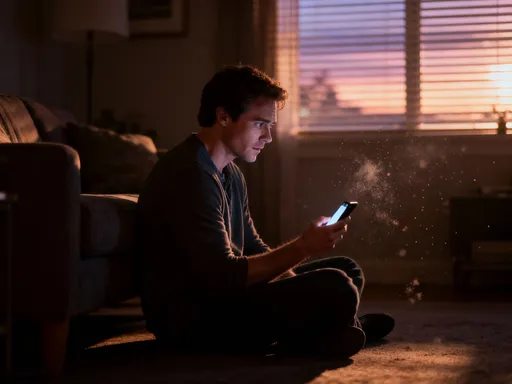
Imagine leaving the house and never worrying about whether you locked the door. Picture your parents aging gracefully at home, with silent protection all around. Security alarms aren’t just for banks or movies—they’ve become quiet guardians in everyday life. I used to think they were loud, complicated, and full of false alarms—until mine gently alerted me to a forgotten stove, late at night. That moment changed everything. It wasn’t a blaring siren or a panicked call from a neighbor. It was a soft chime on my phone, saying, ‘Stove left on in kitchen.’ I was miles away, tucking my daughter into bed at a friend’s house, and yet, in that moment, I could turn it off with a tap. No drama. No danger. Just peace. That’s when I realized: safety doesn’t have to be stressful. It can be simple, smart, and quietly woven into the rhythm of our lives.
The Moment Everything Changed: A Close Call That Made Me Rethink Safety
It started like any other Tuesday. I dropped the kids at school, grabbed coffee, ran a few errands. By the time I got to my sister’s house for our weekly lunch, I was already thinking about dinner, laundry, and the meeting I had scheduled for the afternoon. But halfway through my sandwich, my phone buzzed. Not a text. Not an email. A notification from my home alarm app: ‘Back door unlocked.’ My stomach dropped. I remembered—vaguely—stepping out that morning to grab the mail, the door swinging shut behind me. I must have forgotten to lock it. I live in a quiet neighborhood, yes, but that didn’t stop my mind from racing. Who could have walked in? What if someone was still inside? What if my dog, Bella, had somehow pushed it open and wandered off? I called my neighbor, who kindly checked—door closed, no sign of disturbance. Relief washed over me, but it didn’t last long. The real question lingered: how many times had I done this without knowing?
That night, I sat at my kitchen table, staring at the empty chair where I used to keep a notepad with my ‘pre-leaving checklist’: Lock doors. Turn off stove. Close garage. But life doesn’t wait for checklists. Between school drop-offs, work calls, and last-minute errands, those little things slip through. I realized I wasn’t just forgetful—I was overwhelmed. And I wasn’t alone. So many of us are juggling so much that we can’t always be ‘on’ every second. That’s when I started looking into modern home security systems, not because I was afraid, but because I wanted to stop worrying. I wanted to trust that my home could look out for itself, even when I couldn’t.
Beyond the Siren: What Modern Security Systems Actually Do for Your Home
Let’s clear something up: today’s home security systems aren’t the clunky, high-maintenance gadgets from the past. They’re not just about loud alarms that scare the kids and the dog. They’re more like a thoughtful roommate—one who notices when something’s off and quietly lets you know. Think of it this way: your home has a rhythm. Lights go on in the morning, the coffee maker hums, doors open and close. A smart system learns that rhythm. When something breaks the pattern—like a window opening at 2 a.m. or motion in the living room while you’re on vacation—it sends you a gentle alert, not a panic button.
These systems do more than just watch for intruders. They monitor for smoke and carbon monoxide, just like your old detectors, but now they send alerts to your phone. So if the fire alarm goes off while you’re at work, you’ll know instantly—and you can call someone to check, or alert emergency services if needed. Door and window sensors tell you exactly which one is open, so you don’t have to wonder if it was the kitchen window or the basement door. Motion detectors can be set to ignore pets under a certain weight, so you won’t get a buzz every time your cat jumps on the counter.
And here’s the beautiful part: they connect to other smart devices in your home. If the system senses motion while you’re away, it can turn on the lights, making it look like someone’s home. It can adjust the thermostat to save energy when you’re gone and warm things up before you return. Some even sync with your calendar, so if your flight is delayed, your home knows not to expect you and stays in ‘away’ mode a little longer. This isn’t about turning your house into a robot. It’s about making your home a little more aware, a little more protective, and a lot more in tune with your life.
Making It Simple: How to Set Up Protection Without Feeling Like a Tech Expert
I’ll be honest—I used to avoid anything labeled ‘smart’ or ‘connected.’ The last thing I needed was another gadget that required a manual, a tutorial, and three failed attempts to get it working. But what I’ve learned is that today’s best security systems are designed for people like us. Not tech geniuses. Not early adopters. Just moms, caregivers, busy professionals, and anyone who wants to feel safer without the stress.
Setting one up doesn’t require drilling holes or rewiring your house. Most are wireless, battery-powered, and designed to stick or clip into place. The front door sensor? It’s about the size of a matchbox. One piece goes on the door, the other on the frame. When the door opens, they separate, and the system knows. Installation takes minutes. The base station—the brain of the system—plugs into your router and powers on with a simple button. The real magic happens in the app. Open it, and you’re guided step by step. It’s like having a patient friend walk you through it, one tap at a time.
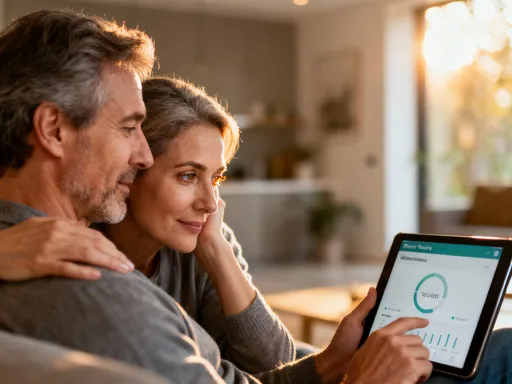
Look for systems with clear, intuitive apps—big icons, simple language, no confusing menus. Some even have voice-guided setup, so you can follow along without staring at your phone. And customer support? It matters. Choose a company that answers real questions, not just scripts. I once called with a panic about whether my system would work during a power outage. The rep calmly explained that most systems have backup batteries that last 24 hours or more—and that the app would alert me if power was lost. That kind of reassurance? Priceless. You don’t need to be good with gadgets. You just need to care about your people. And that’s enough.
For the Parents, the Caregivers, the Worriers: Safety That Adapts to Real Life
Let’s talk about what really keeps us up at night. It’s not just break-ins or fires. It’s the quiet worries. Is my elderly mom okay? Did my teenager get home safely? Is the dog chewing the couch again? A smart security system doesn’t erase life’s uncertainties, but it does soften the edges. For parents, it means peace during nap time. You can step into the backyard, phone in hand, and see a live feed of the baby monitor—no need to creep down the hall and risk waking her. You get an alert if the nursery door opens, so if your curious toddler decides to explore at 6 a.m., you know right away.
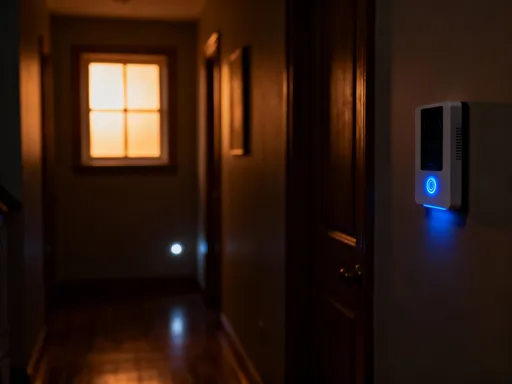
For caregivers, it’s about dignity and independence. My friend Sarah has her mom living with her. At 82, her mom is sharp and active, but Sarah worries when she’s at work. With motion sensors in key areas—like the kitchen and bathroom—Sarah gets a gentle heads-up if her mom hasn’t moved in a few hours. Not surveillance. Not control. Just a quiet way to know she’s okay. And if her mom gets up in the middle of the night, the hallway lights come on automatically, reducing fall risks. It’s not about fear—it’s about care.
Pet owners, this is for you too. How many times have you wondered if your dog is barking at the mail carrier or chewing your favorite shoes? With indoor cameras and motion alerts, you can check in from your desk. Some systems even let you talk through the camera—‘Hey, Max, settle down!’—which, honestly, feels a little silly at first but works like a charm. These aren’t just tools. They’re tiny acts of love, built into the walls of your home.
No More False Alarms: How Smarter Detection Keeps Life Smooth
I get it. The word ‘alarm’ makes people nervous. We’ve all heard the stories—wind blowing a tree branch, setting off the siren. A pet triggering a motion sensor. A forgotten window during a storm. That’s why the old systems felt more like a nuisance than a help. But today’s technology has evolved. Modern sensors are smarter. They don’t just detect motion—they analyze it. Is it a person walking through the living room, or a cat jumping on the couch? Is it sudden heat from a stove left on, or just the afternoon sun warming the countertop?
Many systems use AI to learn your home’s patterns. Over time, they recognize what ‘normal’ looks like. If your dog likes to nap in front of the motion sensor, the system learns to ignore that shape and movement. You can set ‘active zones’—areas you want monitored—and ignore others. Want to know if someone opens the front door but don’t need alerts every time the cat uses the pet flap? You can do that. And temperature and smoke sensors are more precise, reducing false triggers from steam or cooking smoke.
The goal isn’t to flood you with alerts. It’s to give you the right information at the right time. A gentle notification, not a screaming siren. A choice: check the camera, call a neighbor, or take action. That kind of control brings calm, not chaos. It means you’re not constantly reacting—you’re informed, prepared, and in charge.
The Ripple Effect: How Feeling Safer Makes You More Present Every Day
Here’s something no one talks about enough: the emotional weight of constant worry. When you’re always mentally ticking off safety checks—Did I lock the door? Is the oven off? Are the kids home yet?—it drains your energy. It steals your focus. You’re at a work meeting, but part of your brain is back at the house. You’re at dinner with friends, but you keep checking your phone. That low hum of anxiety? It’s exhausting.
But when you know your home is looking out for you, something shifts. You sleep better. You’re more focused at work. You laugh more at the dinner table. You stop living in ‘what if’ and start living in ‘what is.’ I noticed it in myself. After setting up my system, I felt lighter. I wasn’t ignoring responsibility—I was delegating it to something that never gets tired, never forgets, and never judges. And that freed me up to be more present with my family, my work, and myself.
That’s the real benefit of smart home security. It’s not just about preventing disasters. It’s about creating space for joy. It’s about knowing that even when you’re not there, your home is still holding the line. And when you walk through the door, you’re not greeted by a list of worries—you’re greeted by peace.
Starting Small: Your First Step Toward a Smarter, Calmer Home
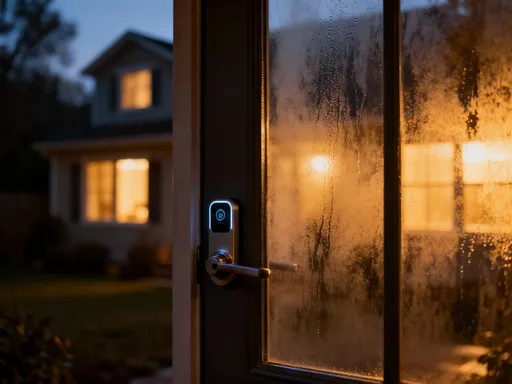
If all of this feels overwhelming, take a breath. You don’t have to secure your entire home in one weekend. You don’t need cameras in every room or sensors on every window. Start small. Begin with one thing that would make your daily life easier. Maybe it’s a smart lock on the front door, so you never have to fumble for keys again. Or a door sensor that lets you know when your teenager gets home from school. Maybe it’s a smart smoke detector that sends alerts to your phone—because wouldn’t it be comforting to know it’s working, even when you’re not home?
Many systems offer starter kits that include a base station, a door sensor, and a motion detector. Set them up in the most used areas first—main entry points, the kitchen, the hallway. Use the app for a few weeks. Get comfortable. See how it fits into your routine. You might find that one sensor leads to another, not because you’re afraid, but because you see how much easier life can be.
And remember: this isn’t about perfection. It’s about progress. It’s about giving yourself the gift of a little more ease, a little more confidence, a little more peace. True safety doesn’t shout. It doesn’t scare. It doesn’t demand your attention. It simply sits in the background, doing its job, so you can focus on what matters most—your family, your dreams, your life. So take that first step. Your future self, standing in a quiet, secure home, will thank you.