I can’t keep up with grocery lists anymore: How group buying apps quietly changed my family’s routine
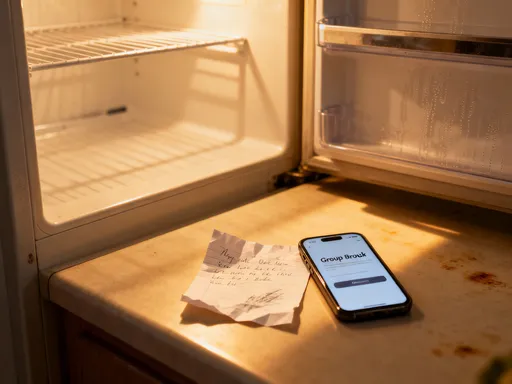
Staring at a blank fridge and a cluttered to-do list used to be my nightly routine. I’d forget half the items, overbuy the rest, and still end up making last-minute store runs. Then a friend showed me how she uses community group buying tools—not as a side hustle, but as a seamless part of her week. Skeptical at first, I tried it and realized it wasn’t just about saving money. It was about reclaiming time, reducing stress, and finally syncing shopping with real life. This is how it quietly transformed mine.
The Breaking Point: When Grocery Lists Take Over Your Life
Remember that Sunday evening when you sat down with a pen, determined to write the perfect grocery list? You started strong—milk, bread, eggs—then paused, trying to remember if you had pasta left. Was the laundry detergent running low? Did the kids need new snack bags? By the time you got to the store two days later, the list was smudged, half-torn, and missing three things you actually needed. You walked out with two things you didn’t. And still, Tuesday night dinner almost didn’t happen because—of course—you forgot onions.
That was me. Every week. The grocery list wasn’t just a task. It became a mental anchor, dragging down my focus during work calls, popping up when I was helping with homework, whispering at 10 p.m. that I hadn’t checked the yogurt supply. The real cost wasn’t the extra $15 I overspent—it was the exhaustion. The mental load of remembering, deciding, comparing, buying, carrying, unpacking. Multiply that by two or three trips a week, and suddenly, grocery shopping wasn’t just a chore. It was a full-time side job with no pay and constant deadlines.
And I wasn’t alone. So many of us—especially those of us juggling home, family, and work—carry this invisible weight. We don’t just buy food. We manage inventory, predict consumption, negotiate preferences, and troubleshoot emergencies. One missed item, and the whole rhythm stumbles. I once drove 20 minutes back to the store because I forgot garlic, only to realize I’d left my reusable bags in the car. That moment—standing in the parking lot, keys in one hand, plastic bag in the other, rain starting to fall—was my breaking point. There had to be a better way.
Discovering the Calm: A Simple Swap That Felt Like a Win
The change didn’t come from a viral TikTok or a tech ad. It came from Sarah, my neighbor, who handed me a reusable produce bag at school pickup and said, “Your zucchini are here.” I blinked. “My… what?” She laughed. “You joined the Maple Street Fresh group, right? Your order arrived this morning.” I hadn’t even remembered signing up after our last coffee chat.
That evening, I opened the app she’d shown me—simple, clean, no flashing banners or pushy notifications. Just a list of fresh produce, dairy, pantry staples, and local goods, updated weekly by a trusted organizer. Orders closed every Monday, delivery came Thursday morning to the community center. No app fatigue. No constant pings. Just one check-in, one click, and done.
I placed my first real order that night: carrots, apples, Greek yogurt, oat milk, and—yes—onions. I even added a honey jar from a nearby beekeeper because it looked beautiful. Four days later, I walked into the pickup spot and found my name on a labeled bin. Everything was there. Nothing spoiled. Nothing missing. I carried it to the car, smiling like I’d won a prize. Because I had. I’d won my evening back. No rushing. No stress. No second trip. That first delivery didn’t just bring groceries—it brought relief. And that relief? It made me want to try again.
What surprised me most was how little effort it took. I didn’t have to learn a new system. I didn’t need to become a digital expert. The app wasn’t trying to sell me something. It wasn’t tracking my habits or pushing discounts. It was quiet. Respectful. Like a good kitchen tool—useful, but invisible when you’re not using it. For the first time in years, I didn’t feel behind. I felt… ahead.
How It Fits—Not Forces—Into Daily Rhythm
One of my biggest fears was adding another thing to manage. My phone already has 17 shopping-related notifications a week. I didn’t need another chore disguised as convenience. But what I found was the opposite. The group buying app didn’t ask for attention. It waited for me.
I started checking it on Sunday mornings while my coffee brewed. Fifteen minutes. That’s all it took. I’d look at what was available—seasonal tomatoes, fresh goat cheese, organic lentils—and build my order around what we’d eat that week. No racing through aisles. No decision fatigue in the cereal aisle. Just calm, focused planning. And because the group orders came from local farms and suppliers, the items felt special, not just stocked. I began looking forward to it—like a mini farmers market, but delivered.
What made it stick was how naturally it blended in. My teenager started reminding me: “Did you order the almond butter?” My husband began suggesting items. We even synced it with our shared family calendar—order day, delivery day, meal prep day. It became part of the rhythm, not a disruption. For my friend Lena, a nurse working night shifts, it was a lifeline. She’d place her order during her break, pick up after her shift. No store hours to worry about. For Mrs. Thompson, who lives alone and doesn’t drive, her neighbor collected her box every week. The app didn’t change their lives by demanding change. It honored the lives they already had.
And the best part? It didn’t require perfection. Forgot to order eggs one week? No panic. Someone in the group usually had extras. Need to skip a delivery? Just opt out—no fees, no guilt. It felt human. Flexible. Like it was designed by people who actually live real lives, not by tech executives in Silicon Valley.
Beyond Savings: The Hidden Gift of Time and Mental Space
Yes, I save money. On average, about 15% compared to my old supermarket runs. Local produce in bulk is cheaper. Less impulse buying helps too—no more grabbing a $7 fancy drink at the checkout because I was tired and thirsty. But the real savings aren’t in dollars. They’re in minutes. In breaths. In peace.
I used to spend 4 to 5 hours a week shopping, driving, returning, repacking. Now? Less than one. That’s three extra hours every week. I’ve used them to bake cookies with my daughter, read a novel before bed, take a long walk. Small things. But they add up. And the mental space—that’s priceless. I’m no longer juggling a mental inventory of 40 items. I don’t wake up wondering if we have enough toilet paper. That constant low hum of worry? Gone.
Decision fatigue used to rule my evenings. After a long day, choosing dinner felt like a crisis. Now, because my fridge is reliably stocked with fresh basics, cooking feels easier. I’m more creative. I try new recipes. Last week, I made a lentil soup with carrots and herbs from the group box—something I wouldn’t have tried if I’d had to hunt down each ingredient. My family noticed the difference. “Dinner feels nicer,” my son said. “Like you’re not rushing.” I wasn’t. Because I wasn’t carrying the weight of the grocery list anymore.
And here’s what no one tells you: when you stop spending energy on the small stresses, you have more for the big things. I’m calmer. More present. I listen better. I laugh more. The app didn’t just change how I shop. It changed how I show up at home. That’s the quiet power of tech that works with you, not against you.
Building Connection Without the Pressure
I didn’t expect to feel more connected—but I do. The group chat for our buying circle isn’t loud or overwhelming. It’s warm. Someone shares a tip: “The peaches this week are perfect for jam.” Another asks, “Who wants an extra bunch of cilantro? I over-ordered.” We swap recipes. We celebrate when the honey comes back in season. We check in when someone misses a few weeks.
Last winter, when I was sick for a week, three neighbors offered to grab my order. No drama. No pressure. Just, “We’ve got you.” I didn’t even ask. They just knew. And when Mrs. Thompson had a fall, it was the group organizer who noticed her box wasn’t picked up and called to check. These aren’t grand gestures. They’re small acts of care, made possible by a shared rhythm.
What I love is that the connection happens naturally. I’m not forced to make small talk at pickup. I don’t have to attend meetings or commit to events. The app supports community, but it doesn’t demand it. You can be as involved—or not—as you like. For introverts, busy parents, anyone who values quiet, it’s perfect. You belong without performance. You’re seen without having to speak up.
And slowly, I’ve started recognizing faces. Smiling at the woman with the twins who always gets the sourdough. Waving at the retired teacher who loves the heirloom tomatoes. We’re not best friends. But we’re neighbors. We share food, we share space, we share a little bit of life. In a world that often feels disconnected, that matters. The app didn’t create community. It just gave us a reason to show up for each other.
Making It Work for You: Simple Steps to Start Smoothly
If you’re curious, I get it. Starting something new can feel overwhelming. But here’s the truth: you don’t have to do it all at once. You don’t have to join five groups or order 20 items. Start small. That’s what I did.
First, look for a local group. Ask at school, in a neighborhood app, or at your local library. Many communities have one—or several. Look for one with reliable organizers, clear communication, and items you actually want. Don’t worry about perfection. Try it for one week. Order just one category—produce, maybe. See how it feels.
When you place your first order, give yourself grace. You might forget something. You might get too much of one thing. That’s okay. Use it as a learning round. I once ordered six avocados, thinking we’d eat them fast. We didn’t. Lesson learned: start with two. Or split a bulk item with a friend.
Sync the schedule with your routine. Set a reminder on Sunday night. Put delivery day on the family calendar. Let everyone know when the box arrives. Make it part of your week, not a chore. And don’t be afraid to ask questions in the group. Most organizers are happy to help. They were new once too.
If the first group isn’t quite right, try another. Some focus on organic veggies, others on pantry staples or local baked goods. Find one that fits your life. And if you can’t find one? Talk to a neighbor. Maybe you can start a small one together. It doesn’t have to be big to be meaningful.
The key is to begin. Not perfectly. Not dramatically. Just gently. One order. One delivery. One moment of relief. That’s how habits form. That’s how change happens.
This Isn’t Just Shopping—It’s a Smarter Way to Live
Looking back, I realize something: I didn’t need more willpower. I didn’t need a better list or a faster car. I needed a system that respected my time, my energy, and my family’s rhythm. The group buying app didn’t fix everything—but it fixed one piece in a way that made everything else easier.
Technology doesn’t have to be flashy to be powerful. It doesn’t need to track our steps, analyze our sleep, or sell us ads. Sometimes, the best tech is the kind that stays in the background—simple, reliable, kind. The kind that doesn’t shout for attention but shows up quietly, like a good friend.
This shift wasn’t about cutting costs. It was about gaining clarity. About creating space—for rest, for joy, for connection. It was about feeling capable again. Not because I did more, but because I had to do less. And in that space, I found more of myself.
So if you’re standing in your kitchen, staring at an empty fridge and a full to-do list, know this: you’re not behind. You’re just using an old system in a new world. And there’s a gentler way. One that doesn’t ask for more from you—but gives back in quiet, meaningful ways.
It’s not just about groceries. It’s about designing a life that feels lighter. More manageable. More human. And sometimes, the smallest tools bring the biggest peace. You don’t need to change everything. Just try one order. See how it feels. You might just find, like I did, that the help you’ve been looking for was already in your neighborhood—and only a few clicks away.