Drank 8 Glasses Daily for 30 Days: How a Simple App Transformed My Energy and Focus
Staring at the clock, waiting for lunch just to justify another coffee—does that sound like you? I was stuck in that same loop, constantly tired, foggy, and reaching for snacks that didn’t help. Then I tried something embarrassingly simple: tracking my water with an app. No strict rules, no overhauls—just gentle reminders that slowly changed how I felt every single day. It wasn’t about health perfection. It was about showing up for myself, one sip at a time. And honestly, it changed everything.
The Tiredness Trap: How Dehydration Was Sabotaging My Days Without Me Noticing
For years, I thought exhaustion was just part of being a woman in her thirties with a full plate. Between work deadlines, school drop-offs, dinner prep, and the never-ending laundry pile, I assumed fatigue was my baseline. I’d tell myself, “This is just how it is now.” I drank coffee to wake up, then more coffee to stay awake. By 3 p.m., I was staring at my screen, reading the same sentence over and over, wondering why my brain felt like it was moving through syrup. I blamed it on stress. On not sleeping enough. On being “too busy.” But the real issue wasn’t any of those things. It was water—or rather, the lack of it.
What I didn’t realize was that even mild dehydration can slow your thinking, dampen your mood, and zap your energy. We’re talking about a fluid loss as small as 1–2 percent of your body weight. That’s not about hiking in the desert or skipping meals—it’s about forgetting to refill your glass between meetings or choosing soda over water because it tastes better. And the worst part? Your body doesn’t always scream “I’m thirsty!” It whispers. It shows up as a headache, a craving for sugar, or that mid-afternoon urge to lie down on the couch and close your eyes. I was living in a constant state of low-grade dehydration, and I didn’t even know it.
I started paying attention. When did I feel foggiest? Around 2:30 p.m., after a long stretch without drinking anything. When was I most irritable with my kids? Usually in the late afternoon, when my water bottle was still half-full from lunch. When did I reach for a snack even though I wasn’t hungry? Often right after a long phone call or email session—times when I’d been sitting still and not thinking about hydration at all. It wasn’t laziness. It wasn’t poor parenting. It was my body asking for water, and I wasn’t listening. Once I connected the dots, it hit me: maybe I wasn’t broken. Maybe I was just thirsty.
Finding the Right App: Why Simplicity Beat Fancy Features Every Time
When I decided to fix this, my first instinct was to go big. I downloaded every water-tracking app I could find—ones with detailed charts, ones that synced with my fitness watch, ones that promised personalized hydration goals based on my weight and activity level. Some looked like they belonged in a science lab. But within days, I stopped using them. Why? Because they felt like school assignments. They nagged. They judged. They showed red warnings when I fell behind and made me feel like I’d failed before I even started. That wasn’t helpful. That was stress.
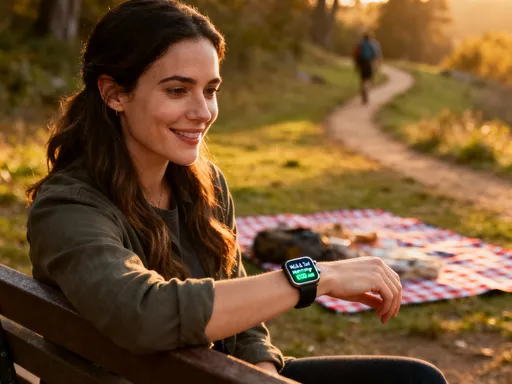
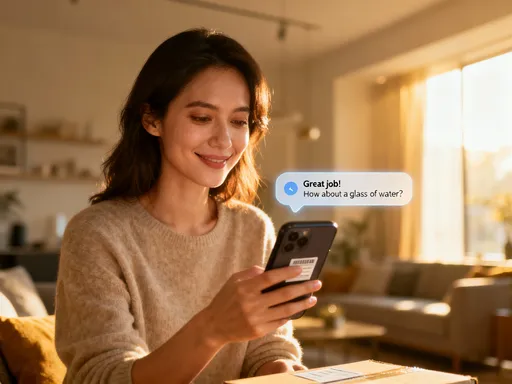
Then I found one that was different. It had a soft color palette—calming blues and whites. No graphs. No scary red alerts. Just a simple circle that filled up as I logged each glass. And the reminders? Gentle. Like a friend tapping my shoulder and saying, “Hey, have you had a sip yet?” I could tap “Add Water” in two seconds. I could snooze the reminder if I was in the middle of something. No guilt. No pressure. Just support.
That’s when I realized something important: the best technology for real life isn’t the most advanced. It’s the one that fits. It’s the one that understands you’re not a robot. You’re a person with messy mornings, surprise errands, and moments when you forget to eat, let alone drink water. The app didn’t demand perfection. It celebrated small wins. And because it felt kind, not critical, I kept using it. I didn’t need a high-tech dashboard. I needed a quiet companion that helped me remember the basics—without making me feel bad for forgetting.
Small Reminders, Big Shifts: Building a Habit Without Willpower
I used to think building healthy habits was about discipline. You just push through, right? Wake up early. Drink water first thing. Stay consistent. But I’ve learned that willpower is a limited resource—especially when you’re already juggling a million things. What actually works is designing your environment so the right choice is the easy one. And that’s exactly what this app did for me.
Instead of telling me to drink eight glasses all at once, it broke it down. A reminder after I checked my morning emails. One while my daughter was watching her favorite cartoon. Another before I poured my second cup of coffee. These weren’t big moments. They were tiny pauses built into my existing routine. I didn’t have to remember. I didn’t have to force myself. The app just created a little space for me to pause and choose water—without disrupting my flow.
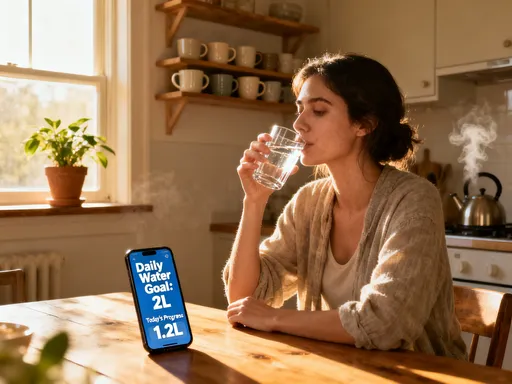
And here’s the thing: those small moments added up. At first, I’d log a glass just to make the notification go away. But soon, I started actually feeling the difference. My mouth didn’t feel dry. My head didn’t ache. I didn’t crave that 3 p.m. cookie. And because I felt better, I wanted to keep going. The habit wasn’t built on discipline—it was built on positive reinforcement. Each time I drank, I felt a little more alert, a little more capable. That feeling became its own reward. The app didn’t change my behavior through guilt. It changed it through kindness—and that made all the difference.
Ripple Effects: How Hydration Improved My Focus, Mood, and Routine
Once I started drinking consistently, I noticed changes I didn’t expect. The brain fog lifted. I could focus on a task without jumping to another tab every two minutes. I felt calmer when the kids were loud or the printer jammed—things that used to make me snap. I didn’t need as much coffee, which meant I wasn’t crashing by midday. And yes, my skin looked clearer, but that wasn’t the biggest win. The real shift was internal. I felt more like myself.
And then something surprising happened: other healthy habits started to follow. Because I felt more energy, I wanted to move more. I began taking short walks after dinner instead of collapsing on the couch. Because I felt more in control, I started planning meals ahead of time. I’d prep vegetables on Sunday so I wasn’t scrambling during the week. I even started going to bed earlier because I wasn’t lying awake with a racing mind—probably because I wasn’t dehydrated, which can mess with sleep quality.
It was like one small change created a ripple effect. I wasn’t trying to overhaul my life. I wasn’t following a strict diet or fitness plan. I was just drinking water. But that one act gave me a sense of momentum. Each time I logged a glass, I was reminded that I could make a positive choice. That tiny win built confidence. It made me believe I could do other things, too. The app didn’t just track water—it helped me rebuild trust in myself. And that, more than anything, changed how I moved through my days.
Making It Work for Real Life: Syncing the App with My Family’s Schedule
Let’s be honest: life doesn’t happen in a quiet, controlled environment. There are mornings when the baby spills oatmeal on the floor, the dog needs to go out, and someone forgot their homework. In those moments, self-care often feels impossible. I used to think, “I’ll drink water later,” and then “later” never came. But I learned to adapt the app to my real life—not the ideal version.
I started linking my water breaks to existing family routines. When my daughter had her morning snack, I poured myself a glass. When we took a break during homework time, I used it as my hydration moment. I even got her involved—she’d remind me, “Mommy, did you drink your water?” (And honestly, if a five-year-old can hold you accountable, you’re more likely to follow through.) I also adjusted the reminder times based on my weekly rhythm. On days with back-to-back meetings, I set earlier alerts so I wouldn’t fall behind. On weekends, I turned off notifications during family time and just trusted myself to keep sipping.
The key was flexibility. The app didn’t demand the same routine every day. It adapted with me. And because it felt realistic, not rigid, I could stick with it. I wasn’t failing when life got busy. I was succeeding by making small adjustments. That’s what makes technology truly useful—it doesn’t force you into a mold. It bends to fit your life, so you can stay consistent without burning out.
Beyond the Glass: How This Tiny Change Reinforced Self-Care Without Guilt
For a long time, self-care felt like another item on my to-do list—something I was supposed to do but never had time for. I’d see posts about meditation, journaling, or spa days and think, “That sounds nice, but who has the time?” And when I didn’t do those things, I felt guilty. Like I was failing at taking care of myself.
But tracking water was different. It didn’t feel like a performance. It didn’t require hours. It wasn’t about looking a certain way or achieving a goal. It was just a quiet moment of listening to my body. When the app reminded me to drink, it felt like it was saying, “Hey, you matter. Take a second for you.” And in that moment, I wasn’t just hydrating—I was pausing. I was checking in. I was saying, “I see you. I’ve got you.”
That small act became a form of daily self-respect. I wasn’t doing it because I wanted to lose weight or look better. I was doing it because I deserved to feel good. And the app wasn’t a strict coach. It was a gentle supporter. It didn’t shame me for missing a glass. It just welcomed me back the next time. That kindness changed how I thought about self-care. It wasn’t about perfection. It was about presence. And once I started treating myself that way, other areas of my life began to soften too. I became more patient. More forgiving. More at peace.
Your Turn: Starting Small, Staying Consistent, and Feeling the Difference
If you’ve ever felt tired, unfocused, or just a little off, I want you to consider this: could it be as simple as water? You don’t need a dramatic change. You don’t need to overhaul your diet or start a new fitness routine. You just need one small, supported habit. And technology can help—not by overwhelming you, but by quietly guiding you back to what matters.
Start by picking an app that feels good to use. Look for one with gentle reminders, a simple interface, and no guilt-tripping alerts. Try it for three days. Set your goal at five glasses if eight feels too much. Just get started. Pair your water breaks with things you already do—after brushing your teeth, during your child’s screen time, before you check social media. Make it part of your rhythm, not an extra task.
And when you log that first glass, take a second to notice how it feels. Is your mouth dry? Is your head a little heavy? Or do you feel a small wave of clarity after that first sip? These tiny moments of awareness are where real change begins. You’re not just drinking water. You’re learning to listen to yourself again. You’re saying, “I’m worth the effort.”
After 30 days of tracking, I didn’t just feel more energized. I felt more connected—to my body, to my day, to myself. The app didn’t fix everything. Life is still busy. There are still chaotic mornings and stressful days. But now, I have a small anchor. A simple practice that grounds me. And sometimes, that’s enough. Because real transformation doesn’t always come from big gestures. It comes from small, consistent acts of care. And it might just start with a single glass of water—and the quiet reminder that says, “Don’t forget to drink. You’ve got this.”