I kept scrolling before bed: How a sleep app finally broke my late-night habit
You know that moment—your head hits the pillow, but your hand still grips your phone? I was stuck in that loop for months, telling myself “just five more minutes” while my sleep slipped away. I felt tired, unfocused, even moody. My mornings started with a groan and three snoozes. My kids noticed. My work suffered. Then I tried a simple sleep app—not to nag me, but to gently guide me into better habits. It didn’t demand perfection—just small, doable changes. And slowly, something shifted. No magic, no strict rules. Just a little help from technology that actually understood my life.
The Midnight Scroll: When Your Phone Steals Your Sleep
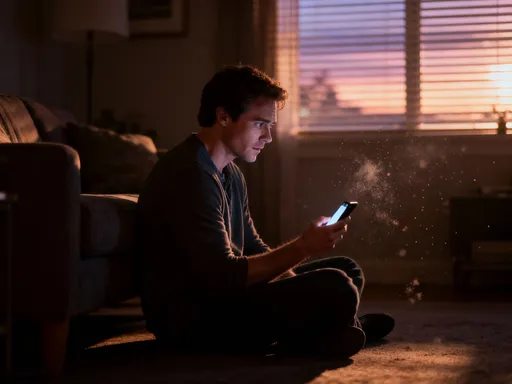
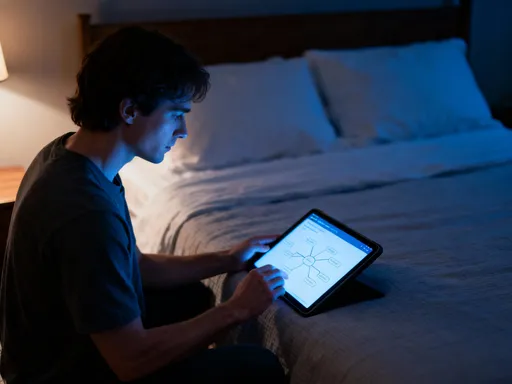
Let’s be honest—how many of us have promised to go to bed early, only to find ourselves deep in social media at 1 a.m.? Scrolling through photos of faraway places, watching one more cooking video, reading comments on a post we don’t even care about. I was right there. Night after night, I’d tell myself, “Just five more minutes,” and suddenly an hour had passed. My eyes were tired, but my brain was still buzzing. The blue light from the screen made it worse, tricking my body into thinking it was still daytime. I wasn’t lazy. I wasn’t weak. I was caught in a habit loop that so many of us fall into—especially when the day has been long, emotionally draining, or just plain overwhelming.
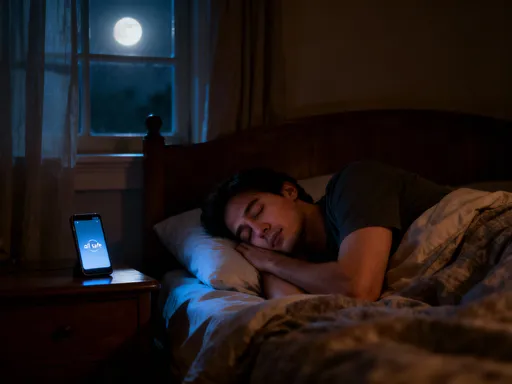
There’s something about the quiet of the house at night that makes us want to hold onto the day a little longer. The kids are asleep. The chores are done. For the first time, it’s just you and your thoughts. And instead of resting, we often turn to our phones for comfort, distraction, or even a sense of control. But that little device, which feels so harmless, starts to steal our rest. I remember waking up groggy, my neck sore from lying at an awkward angle, my mind foggy. I’d look at the clock and realize I’d only slept five hours. Again. And the cycle repeated. I wasn’t just losing sleep—I was losing energy, focus, and patience. I snapped at my kids over small things. I forgot appointments. I felt like I was always playing catch-up.
What I didn’t realize then was that this wasn’t just about willpower. It was about design—how our phones are built to keep us engaged, how notifications pull us back, how endless content feeds make it hard to stop. We’re not failing because we lack discipline. We’re facing a system that’s working exactly as it was designed. And once I saw that, I stopped blaming myself. I started looking for a different kind of help—one that worked with my brain, not against it.
Why Willpower Isn’t Enough (And What Works Instead)
I tried everything to break the scroll. I set alarms. I made rules. I even left my phone in another room once—only to get up and fetch it five minutes later. The truth is, willpower is a limited resource, especially at the end of a long day. When you’re emotionally drained, asking yourself to “just stop” is like asking a tired runner to sprint the last mile. It’s not going to happen. I kept failing, not because I didn’t care, but because I was fighting the wrong battle.
What finally helped wasn’t more discipline—it was smarter design. I started learning about behavioral psychology and how small environmental changes can make a big difference. For example, if your phone is within arm’s reach, you’re far more likely to use it. If it’s charging across the room, you’re less likely to grab it. Simple, right? But that’s the power of environment: it shapes our choices without us even noticing. That’s when I realized I didn’t need to be stronger—I needed better support.
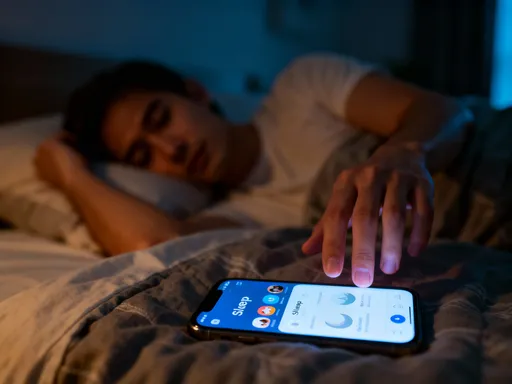
That’s where the sleep app came in. It wasn’t about tracking every minute of sleep or shaming me for late nights. Instead, it offered gentle nudges. A soft reminder at 9 p.m. that said, “Time to start winding down.” A feature that gradually dimmed my screen and turned it grayscale, making it less tempting to scroll. It didn’t yell at me. It didn’t lock me out. It just made the right choice a little easier. And over time, those small shifts added up. I wasn’t fighting myself anymore. I was working with a tool that understood how real life works.
Here’s the thing—technology isn’t the enemy. It’s how we use it. And when we choose tools that support our well-being instead of draining it, they become allies. The app didn’t fix everything overnight, but it gave me a structure I could rely on. It reminded me that I didn’t have to be perfect. I just had to be consistent. And consistency, even in tiny steps, leads to change.
Choosing the Right App: Simplicity Over Features
Not all sleep apps are created equal. I downloaded three before I found the one that actually worked for me. The first was full of charts and data—sleep scores, heart rate patterns, brain wave analysis. It felt like a science project, not a tool for better rest. The second sent me so many notifications I started ignoring them altogether. The third? It felt like a drill sergeant, scolding me for every late night. None of them fit into my life. They made me feel worse, not better.
What I needed wasn’t more data or more pressure. I needed something simple, kind, and easy to use. The app I finally stuck with had just a few core features: a wind-down timer, a grayscale mode, and a bedtime reminder. That’s it. No complicated setup. No daily reports that made me feel guilty. It didn’t try to do everything. It just helped me do one thing—put the phone down.
Simplicity was the key. I didn’t have to think about it. At 9 p.m., my screen slowly turned gray. Scrolling through photos wasn’t fun anymore—they all looked like old newspaper print. That small change made a big difference. I didn’t want to keep watching videos or reading articles. My brain got the signal: this is not the time for entertainment. At the same time, the app played a soft chime and showed a simple message: “Time to relax. Your body needs rest.” It wasn’t demanding. It was inviting.
If you’re looking for an app, here’s my advice: skip the ones that overwhelm you. Look for something that feels like a friend, not a boss. It should be easy to turn on, easy to use, and easy to ignore when you don’t need it. The best tools don’t shout. They whisper. They don’t force change. They make it feel natural. And if an app makes you feel guilty or stressed, it’s not the right one. You’re not trying to punish yourself—you’re trying to care for yourself.
Building a Wind-Down Routine That Actually Sticks
An app alone won’t change your habits. It’s a helper, not a fix-all. What really made the difference was pairing the app’s reminders with real-life actions. I started building a wind-down routine that felt good, not like a chore. At 8:30 p.m., I’d dim the lights in the living room. I’d put on soft music—nothing loud or energetic, just calming piano or nature sounds. I’d make a cup of herbal tea, something warm and comforting. And I’d grab a book—real paper, no screen.
The app’s reminder at 9 p.m. became a signal to start this routine. It wasn’t about stopping cold turkey. It was about transitioning. I’d open the app, tap “Start Wind Down,” and within minutes, my phone would go grayscale. That visual cue helped my brain shift gears. I wasn’t cutting off connection—I was shifting into rest mode. Sometimes I’d journal for ten minutes, writing down three things I was grateful for or just dumping my thoughts onto paper. It cleared my mind and made it easier to let go of the day.
The key was making it low-effort. If a routine feels like work, you won’t stick with it. So I kept it simple: lights down, tea made, book open. No pressure to read a certain number of pages. No guilt if I only lasted ten minutes. The goal wasn’t perfection—it was consistency. And over time, my body started to expect it. I’d feel a little calmer, a little more relaxed, just from the routine itself. The app supported it, but the real magic was in the habit.
Another thing that helped was charging my phone in the kitchen, not the bedroom. Once I stopped keeping it on my nightstand, the temptation faded. I still used it in the evening, but with limits. And when it was time to sleep, I could leave it behind without panic. I wasn’t disconnected from the world—I was choosing to connect with myself instead.
Syncing Life and Tech: Making It Work for Your Schedule
Life isn’t neat. Some nights, I stayed up late helping my daughter with a school project. Others, I had work emails to finish. And yes, sometimes I just wanted to watch a movie with my husband. The app didn’t punish me for that. Instead, it adapted. I learned to use the “flex mode” when I knew I’d be up late. It didn’t track that night as a failure. It just paused and started fresh the next day.
This flexibility was crucial. I didn’t want to feel guilty every time life got in the way. The app didn’t demand 100% compliance. It understood that real life happens. And that made me more likely to keep using it. I wasn’t trying to be perfect—I was trying to be better, most of the time.
Over time, the app started showing me patterns. I noticed I slept better when I started winding down before 9:30. I felt more alert when I avoided screens after 10. I didn’t need strict rules—just awareness. And that awareness helped me make better choices, not out of guilt, but out of care for myself. On nights when I did scroll longer, I didn’t beat myself up. I just made sure the next night was different.
Technology works best when it fits into your life, not when it tries to control it. The app didn’t take over. It supported. It gave me insights without judgment. And that made all the difference. I wasn’t fighting my schedule—I was working with it, one night at a time.
Small Wins, Big Shifts: What Changed After 30 Days
After a month of using the app and building my wind-down routine, the changes started to show. I wasn’t just sleeping more—I was sleeping better. I began waking up before my alarm, feeling rested instead of drained. My mind was clearer. I had more energy to play with my kids, to cook meals, to enjoy my mornings instead of rushing through them.
One morning, I sat by the window with my tea, watching the sun rise. I wasn’t thinking about work. I wasn’t checking my phone. I was just present. That moment felt like a gift. I realized how long it had been since I’d started the day with peace instead of panic.
Other small wins added up. I stopped relying on coffee to get through the afternoon. I remembered things more easily. I felt calmer, even on stressful days. My family noticed. My husband said I seemed “lighter.” My daughter told me I smiled more in the mornings. These weren’t huge changes—but together, they transformed my life.
The app didn’t stay center stage. After a while, I barely thought about it. The routine had become automatic. I didn’t need the reminder every night. I didn’t need the grayscale mode as much. My body had relearned what rest felt like. The tool had done its job and quietly stepped back. That’s the sign of good technology—it helps you build a habit, then fades into the background.
Tech That Cares: How Tools Can Support a Fuller Life
This journey wasn’t about hating my phone or feeling guilty for using it. It was about using technology in a way that served me, not drained me. The sleep app didn’t take anything away. It gave me something precious—rest, clarity, and peace. It reminded me that the best tools aren’t the fanciest or most advanced. They’re the ones that understand real life and help us live it better.
We don’t have to choose between technology and well-being. We can have both. We can use apps, devices, and smart features to support our health, our relationships, and our joy. The key is choosing tools that align with our values—tools that are simple, kind, and empowering.
Today, my bedtime is no longer a battle. It’s a quiet ritual I look forward to. I still use my phone in the evenings, but with boundaries. I still have late nights sometimes—but they’re the exception, not the rule. And when I do scroll too long, I don’t panic. I just reset the next night.
If you’re stuck in the midnight scroll, I want you to know—you’re not alone. And you don’t have to fix everything at once. Start small. Try one app. Build one habit. Be kind to yourself. Because rest isn’t a luxury. It’s a foundation. And when we protect our sleep, we protect our ability to show up—for our families, our work, and ourselves. Technology can help. But the real change starts with care. And that care? It’s the most powerful tool of all.