What If Returning Online Orders Could Help You Eat Healthier?
You order clothes online, they don’t fit, and you dread the return process. We’ve all been there. That pile of unworn tops and too-tight jeans sitting in the corner of your bedroom? It’s more than just clutter—it’s a reminder of a task left undone, one more thing on your mental to-do list. But what if that same return app could gently remind you to drink water or suggest a healthy snack? Technology isn’t just fixing shopping hassles—it’s quietly reshaping how we organize our days, manage our health, and care for ourselves. Let’s talk about how something as simple as a return label could be part of a smarter, calmer life.
The Hidden Stress of Online Shopping Returns
Let’s be honest—online shopping feels amazing in the moment. One click, and that cozy sweater or perfect pair of leggings is on its way. But when it arrives and doesn’t fit, or the color isn’t quite right, the joy fades fast. Suddenly, you’re faced with the return process: digging out the original packaging, hunting for a printer, finding time to drop it off. It’s not just inconvenient—it’s emotionally draining. That unopened return bag sitting by the door? It’s not just taking up space. It’s adding to your mental load, like a whisper in the back of your mind saying, “You still haven’t dealt with that.”
And here’s the thing: when we’re overwhelmed by small tasks, it affects everything. You might be trying to eat better, plan meals, or stay active, but if your environment feels chaotic, it’s harder to focus. That clutter—physical and mental—can make you feel stuck. You look at your closet full of clothes you never wear and think, “If I can’t even handle this, how can I stick to a healthy routine?” The truth is, we’re not bad at organizing. We’re just using tools that don’t support the full picture of our lives. But what if the same technology that helped you buy those jeans could also help you let them go—gracefully?
That’s where a new wave of return and exchange platforms is stepping in. These aren’t just about making returns faster (though that helps). They’re starting to recognize that we don’t live in isolated silos—shopping, health, and daily routines are all connected. When you clear out what you don’t need, you create space—literally and mentally. And that space? It’s where better choices begin.
How Return Apps Are Becoming Life Assistants
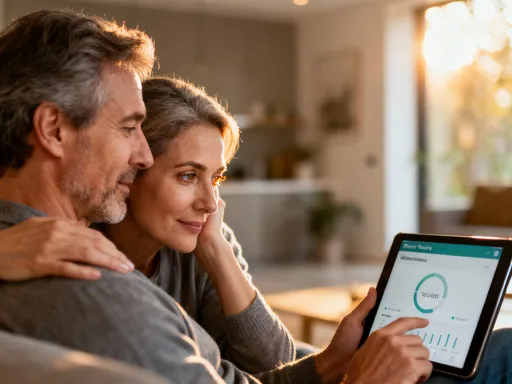
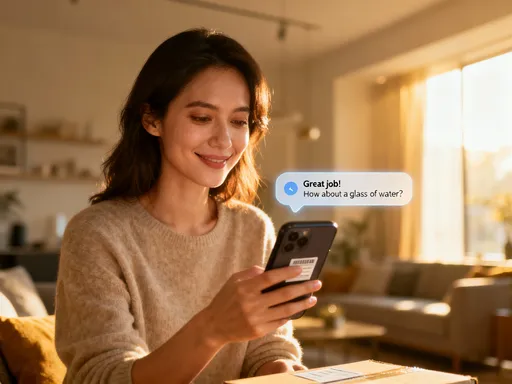
Think about the last time you finished a small task and felt a little burst of pride. Maybe you finally mailed that return or cleared off the kitchen counter. In that moment, you’re more open to the next good choice—like drinking a glass of water or choosing a piece of fruit over a cookie. Smart return apps are starting to tap into that feeling. After you scan a return label or drop off a package, some platforms now send a friendly nudge: “Nice work! You’re one step closer to a clutter-free week. How about a stretch or a glass of water to celebrate?”
It sounds small, but it’s powerful. These aren’t random messages. They’re carefully timed to land when you’re already in a “win” mindset. And over time, they start to shift how you see yourself—not just as someone managing returns, but as someone who takes care of things. That shift matters. Because when you begin to see yourself as organized and capable, you’re more likely to make choices that reflect that identity. You might think, “If I can handle this return, I can prep a healthy lunch tomorrow.”
Some of these apps even learn your rhythm. If you usually return items on Sunday nights, they might suggest a quick closet tidy or a five-minute meal plan session. It’s not about adding more to your plate. It’s about using moments of completion to gently guide you toward the next positive step. Technology, at its best, doesn’t nag. It notices. It supports. It’s like having a thoughtful friend who says, “Hey, you’ve got this. Why not keep going?”
The Link Between Physical Space and Mental Clarity
Have you ever noticed how a clean kitchen makes you more likely to cook? Or how a tidy closet makes getting dressed in the morning feel easier? There’s real science behind this. Studies have shown that organized environments reduce stress and improve focus. When your space is cluttered, your brain has to work harder just to function. It’s like running too many apps at once—everything slows down.
Now, think about your closet. If it’s full of clothes that don’t fit, that don’t make you feel good, every time you open the door, you’re reminded of what’s not working. That can quietly drain your confidence. But when you return those items—when you clear out the things that no longer serve you—you’re not just making room for new clothes. You’re making room for new habits. A simpler closet means fewer decisions in the morning. And fewer decisions mean more mental energy for other things—like planning a balanced dinner or remembering to pack a healthy snack for the afternoon.
The same goes for your kitchen. When cabinets are full of expired snacks or random packets you never use, it’s easy to fall back on convenience foods. But when you clear out the clutter, you see what you actually have. You start to notice the fruits, the whole grains, the healthy staples. And suddenly, eating well doesn’t feel like a chore. It feels like the natural choice. So, when a return app helps you send back those oversized pajamas, it’s not just fixing a shopping mistake. It’s helping you reset your environment—and your mindset.
Smart Reminders That Fit Into Real Life
Here’s the problem with most health apps: they feel like schoolteachers. “You only drank 300ml today. Try harder.” “Your step count is low. Get moving.” It’s well-meaning, but it adds pressure. And when you’re already juggling work, family, and a thousand little tasks, the last thing you need is another voice telling you what to do.
But what if support came at the right moment? Imagine this: you just dropped off a return at a local drop box. Your phone buzzes: “You’ve cleared space—how about prepping tomorrow’s lunch?” No guilt. No tracking. Just a simple, kind suggestion. Because you’ve just completed a task, your brain is primed for the next small win. That’s when a gentle nudge works best.
These kinds of reminders don’t demand perfection. They celebrate progress. They meet you where you are. Maybe you don’t prep a full meal, but you chop a few veggies or pack a piece of fruit. That’s still a win. And the app doesn’t care if you do it every day. It just shows up, now and then, when it makes sense. Over time, these moments add up. You start to associate taking care of your space with taking care of yourself. And that connection? That’s where real change begins.
Integrating Health Hints Without Overload
The secret to lasting change isn’t intensity—it’s consistency. And consistency doesn’t come from strict rules. It comes from small, repeatable actions that fit into your real life. That’s why the most effective tools don’t ask you to log every meal or track every step. Instead, they offer light, context-aware suggestions that feel natural, not forced.
For example, after you return a cozy oversized sweater, your app might say, “Feeling light? Maybe try a walk today.” It’s not demanding a five-mile hike. It’s just reminding you that movement feels good—especially when you’ve just let go of something heavy, whether it’s literal or emotional. Or after you complete a few returns in a week, you might see: “You’ve been on a roll! How about trying a new healthy recipe this weekend?”
These nudges work because they’re tied to your actions, not your failures. They don’t say, “You haven’t moved enough.” They say, “You’ve done something good—here’s another small way to keep going.” And that makes all the difference. When you feel capable, you’re more likely to act. When you act, you feel more capable. It’s a positive feedback loop—one that builds confidence over time.
And the best part? You don’t have to think about it. The app isn’t asking you to switch contexts or open another screen. It’s right there, in the flow of what you’re already doing. Returning an item becomes more than a chore. It becomes a tiny moment of self-care.
Building a Routine That Feels Effortless
How many apps do you use every day? One for shopping, one for groceries, one for water tracking, one for workouts, one for meal planning. It’s exhausting just thinking about it. And the more apps you have, the more fragmented your routine becomes. You end up jumping from screen to screen, trying to keep up.
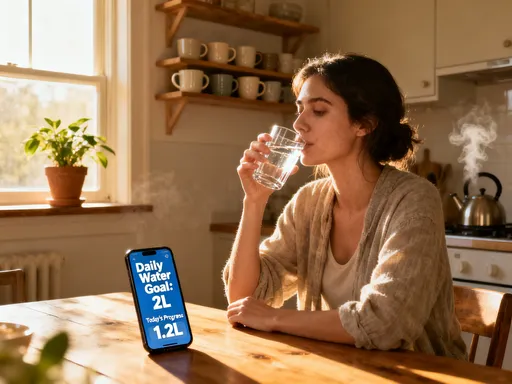
But what if one experience could support multiple parts of your life? Imagine using a single platform that helps you manage returns, suggests healthy habits, and even reminds you to drink water—all in one place. No extra steps. No extra decisions. Just a smooth, connected flow.
That’s the power of integrated technology. When your return app knows you’ve been clearing out your closet, it might suggest a simple meal plan to match your new routine. Or if it notices you’ve been active in returning items, it might celebrate with a reminder to treat yourself—maybe with a nourishing smoothie or a quiet cup of tea. These aren’t random suggestions. They’re based on what you’re already doing, designed to support the life you’re building.
And when technology feels this seamless, healthy choices stop feeling like chores. They become part of your rhythm. You don’t have to “find time” to take care of yourself. It’s already built in. You return a dress, drink a glass of water, and suddenly, you’re one step closer to the calm, organized, healthy life you’ve been wanting.
The Future of Life-Oriented Technology
We used to think of technology as a tool for solving single problems. Need to buy something? Shop online. Need to track steps? Use a fitness band. But life doesn’t work in silos. Our days are made up of small, connected moments—returning a package, making lunch, taking a walk, tidying up. The future of tech isn’t about more apps. It’s about smarter ones—ones that understand how these moments fit together.
Imagine this: you return a few items, and your app suggests a quick closet review. You do it, and now you have a clearer sense of what you own. That leads to a capsule wardrobe idea, which simplifies your mornings. With less decision fatigue, you have more energy to plan meals. You start cooking more, eating better, feeling stronger. One small action ripples into many.
Technology, at its best, doesn’t command. It doesn’t overwhelm. It doesn’t make you feel behind. Instead, it quietly supports—like a friend who knows when to speak up and when to step back. It celebrates your wins, big and small. It helps you clear space—physically and mentally—so you can focus on what matters.
And when you feel supported, you’re more likely to keep going. You start to see that taking care of your home, your body, and your time aren’t separate goals. They’re all part of the same thing: a life that feels calm, clear, and full of small joys. So the next time you’re about to return an online order, remember—this isn’t just about sending back a sweater. It’s about making room for the life you want. And sometimes, the smallest tech nudge can help you get there.