Beyond Storage: How Cloud Files Helped Me Organize My Passions and Reclaim My Time
Life used to feel like a juggling act—photos buried in phone albums, recipe ideas lost in notes, hobby projects scattered across devices. I felt overwhelmed, not by lack of time, but by the chaos of managing what I loved. Then I stopped just *saving* files and started using cloud storage to *support* my life. It wasn’t about tech—it was about clarity, connection, and finally having space to breathe. This is how it changed everything.
The Clutter That Almost Killed My Creativity
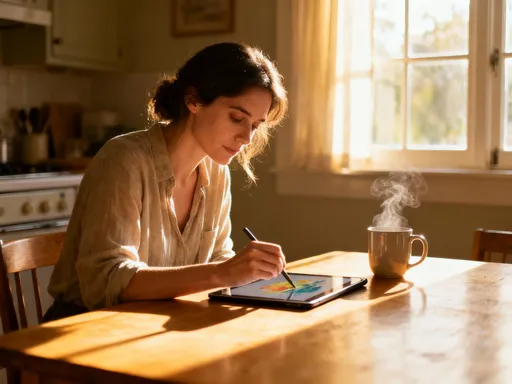
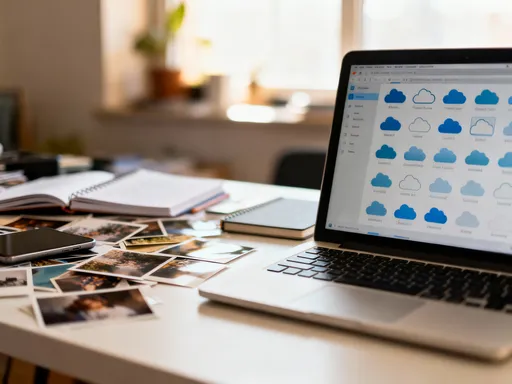
I remember the moment it hit me. I was sitting at the kitchen table, trying to pull together a short slideshow for my daughter’s fifth birthday. She had just started kindergarten, and I wanted to show her little friends photos from her first years—her first steps, that funny phase when she wore mismatched socks on purpose, the way she used to dance with the dog in the living room. I opened my phone, swiped through hundreds of images, and realized I couldn’t find the ones I needed. They were there somewhere—buried in a folder labeled ‘Misc 2021’ or mixed in with screenshots and grocery lists. I spent an hour scrolling, frustrated and near tears, while my daughter waited patiently with her crayons.
That wasn’t the first time. It happened again when I wanted to try that amazing chocolate cake recipe I’d snapped a photo of at my cousin’s house. I remembered the moment—the warm kitchen, the smell of vanilla, the way the cake cracked perfectly on top. But the photo? Gone. Not deleted, exactly, but lost in the digital shuffle. I searched my camera roll, my messages, even my email. Nothing. And then there was the journal draft I’d started after a weekend getaway—just a few paragraphs about slowing down and savoring small moments. I’d typed it into a note on my phone, and weeks later, when I wanted to finish it, I couldn’t find it. Not because it was gone, but because I had no system. No way to know where it lived.
It wasn’t just about missing files. It was about how that chaos made me feel. Every time I lost something, I felt a little less capable. Like I was failing at something that should be simple. My hobbies—writing, baking, photography—started to feel like chores instead of joys. I’d open my laptop with the intention to edit a photo or plan a new recipe, and instead of creating, I’d end up digging through folders, wasting time and energy. The frustration wasn’t about technology. It was about how disorganized digital files were stealing my peace, my creativity, and my connection to the things I loved. I realized then that I wasn’t managing my files. My files were managing me.
Finding Calm in the Cloud: A Simple Shift
The change didn’t come from buying new gadgets or learning complicated software. It came from a single decision: to stop using my devices like dumping grounds and start treating my digital life with the same care I give my home. I began by choosing one cloud storage service and committing to it. No more splitting files between apps or devices. Just one place—safe, searchable, and always with me. At first, it felt like just another task on the to-do list. But within days, I noticed something unexpected: a sense of calm.
When I created a folder called ‘Family Memories’ and moved all my favorite photos there, I didn’t just organize pictures—I created a space where joy could live. I didn’t have to wonder where that birthday video was. I knew. It was in ‘Family Memories’ > ‘Celebrations’ > ‘Emma’s 5th Birthday’. Simple? Yes. But powerful. That predictability lifted a weight I hadn’t even realized I was carrying. I stopped dreading the search. I started looking forward to returning to projects.
There’s a quiet psychological comfort in knowing exactly where your things are. It’s like walking into a well-organized kitchen—you know where the spices are, where the mixing bowls live, and you can move through the space without stress. My digital world started to feel that way. I began applying the same logic to other areas: a folder for recipes, another for writing drafts, one just for voice memos where I’d record ideas while folding laundry or driving to the grocery store. The mental load I’d been carrying—the constant low-level anxiety of ‘where did I put that?’—began to fade. And in its place, space opened up. Space to create. Space to breathe. Space to actually enjoy the things I cared about.
One Place for Every Passion: Building Digital Homes That Inspire
Once I had the basics in place, I started thinking differently about my folders. They weren’t just containers anymore. They became creative sanctuaries—digital rooms I could walk into and feel inspired. I began naming them with intention: ‘Baking Adventures’, ‘Photo Projects 2024’, ‘Garden Journal’. And I didn’t just dump files inside. I made them welcoming. I added a few favorite photos as thumbnails so that when I opened the folder, I saw beauty, not just a list of documents.
For my photography, I created a hub where I stored not just edited images, but also voice notes about the shoot, links to editing tutorials I’d saved, and even a simple mood board made from screenshots of photos I admired. Opening that folder became an invitation to create, not a chore to finish. It reminded me why I loved photography in the first place—the way light falls in the early morning, the quiet joy of capturing a moment no one else noticed.
My writing folder evolved too. Instead of a jumble of half-finished notes, I organized it by project. One subfolder for personal essays, another for recipe stories (yes, I write little stories to go with my recipes!), and a third for voice memos labeled by theme—‘Ideas from the Garden’, ‘Thoughts on Slow Living’. I even added a document called ‘Start Here’ with a few writing prompts and a quote that inspires me: ‘Begin anywhere.’ That small act—creating a gentle entry point—made it so much easier to return to writing, even after weeks of silence.
And then there’s the music folder. I used to have playlists scattered everywhere—on my phone, my laptop, an old tablet. Now, I have a single cloud folder called ‘Soundtrack of My Life’, with playlists organized by season and mood. ‘Spring Morning Energy’, ‘Cozy Fall Evenings’, ‘Dinner Party Vibes’. I update them throughout the year, adding new songs, removing ones that no longer fit. It’s become a living archive of how I feel, and it’s amazing how a simple playlist can bring back a whole season of memories.
Sharing Joy Without the Stress
One of the most beautiful surprises of organizing my files in the cloud has been how it deepened my relationships. Before, sharing felt like a production. I’d have to remember to send photos, worry about file sizes, or hope the recipient didn’t lose the email. Now, sharing is seamless—and joyful. I created a shared album called ‘Family Moments’ and invited my parents and siblings. Every time I add a new photo—Emma blowing out birthday candles, our dog chasing leaves in the yard, a quiet sunset from our back porch—everyone gets to see it instantly.
My mom, who lives two states away, told me it’s the first thing she checks in the morning. ‘It makes me feel close to you,’ she said. That simple gesture—letting her into our daily life—has meant more than I ever expected. And it’s not just photos. Last month, we planned a surprise birthday slideshow for my dad. Instead of one person doing all the work, we all contributed. My brother uploaded old family photos, my sister added music, and I pulled everything together using a shared folder. We didn’t have to email files back and forth or worry about versions. We just worked together, in real time, from different parts of the country. The night of the party, when we played the slideshow and saw Dad wipe his eyes, I realized something: the cloud didn’t just make the project easier. It made it more meaningful.
We’ve also started a family cookbook in the cloud. Each of us adds recipes—Grandma’s apple pie, my husband’s famous chili, my daughter’s drawing of her ‘best snack’ (peanut butter on toast with banana slices). We can all access it, update it, and even leave little notes. ‘This one needs less salt,’ or ‘Made this for Emma’s class party—everyone loved it!’ It’s become more than a collection of recipes. It’s a living story of our family, growing with us. And the best part? No one has to worry about losing it. It’s safe, shared, and always within reach.
Learning Faster, Creating Smoother: The Hidden Productivity Boost
I didn’t set out to become more productive. I just wanted to feel less overwhelmed. But as my files became more organized, I noticed something else: I was learning faster and creating more consistently. When I decided to improve my baking skills, I started saving tutorial videos in a folder called ‘Baking Skills’. Instead of searching YouTube every time I wanted to remember how to make a flaky crust, I had my own curated library. I could watch the video while prepping ingredients, pause it to take notes, and even rewatch the tricky parts.
I also began tracking my progress in a simple document called ‘Baking Journal’. After each recipe, I’d write a few lines: what worked, what didn’t, what I’d change next time. Over time, I could see how far I’d come. The first loaf of sourdough was dense and gummy. The fifth was golden and airy. Having that record wasn’t just useful—it was motivating. It reminded me that growth happens in small steps, and every attempt counts.
I applied the same approach to writing. I created an ‘Idea Vault’—a folder where I store random thoughts, quotes, and observations. Some are just one sentence: ‘The way the light hits the kitchen table at 4 PM.’ Others are longer: a description of a conversation I overheard at the park. When I’m stuck, I open the vault and let the ideas spark something new. It’s like having a personal muse, always ready to help.
During busy weeks—when school pickup, work deadlines, and life in general take over—I used to let my hobbies fall by the wayside. Now, even if I don’t have time to bake or write, I can spend five minutes reviewing my folders. Looking at my progress, seeing what I’ve saved, reminds me that these passions are still mine. They’re waiting for me. And that makes it easier to come back, even after a long pause.
Peace of Mind in a Changing World
Life changes. Phones break. Laptops crash. Kids spill juice on tablets. I used to panic every time something happened to a device. What if I lost the only copy of that video of Emma’s first words? What if my journal drafts disappeared? The fear of loss was real—and it kept me from taking creative risks. I hesitated to try new things because I didn’t want to lose them.
The cloud changed that. Knowing that my files are backed up, secure, and accessible from any device has given me a quiet confidence. When my phone died last winter, I didn’t lose a single photo. I just logged into my account from my husband’s laptop and had everything back in minutes. When we upgraded our computers, transferring files wasn’t a weekend project. It was automatic.
But it’s not just about convenience. It’s about emotional safety. My digital files aren’t just data. They’re memories. They’re dreams. They’re pieces of who I am. The cloud holds my grandmother’s handwritten recipes, my daughter’s childhood drawings, the first draft of a story I hope to publish one day. Knowing they’re safe allows me to create freely. I can experiment, edit, delete, and start over—because nothing is truly lost. That sense of security has made me braver. It’s given me permission to keep going, even when things don’t turn out perfectly.
Making It Work for You: A Realistic, Gentle Start
If you’re feeling overwhelmed by digital clutter, I want you to know: you don’t need to do it all at once. You don’t need to be a tech expert. You just need to start—gently, kindly, and with one small step. Here’s what worked for me: I picked one hobby, one area of my life that brought me joy but felt disorganized. For me, it was photos. For you, it might be recipes, journaling, or music. Choose what feels most meaningful.
Then, create just one folder in your cloud storage. Name it something that feels good—‘Happy Moments’, ‘Creative Sparks’, ‘My Kitchen Adventures’. Don’t overthink it. Just pick a name that makes you smile. Next, spend 10 minutes moving a few files into it—your favorite photo from last month, that recipe you keep meaning to try, a voice memo of an idea. That’s it. You’ve started.
Set up automatic backups if your device allows it. That way, your photos and files save themselves. No extra effort. And don’t worry if you make mistakes. I’ve renamed folders, moved things around, even accidentally deleted something (it was recoverable, thank goodness). That’s okay. This isn’t about perfection. It’s about progress. Some days, you’ll add files. Other days, you’ll just look through what you’ve saved and smile. Both count.
The key is to make it feel like a gift to yourself, not a chore. This isn’t about organizing for the sake of neatness. It’s about creating a digital home where your passions can thrive. Where your memories are safe. Where you can return to what matters, anytime, from anywhere. And when you do, you’ll find that the space you’ve created isn’t just on your screen. It’s in your mind, your heart, your daily life.
More Than Files—A Lighter, Fuller Life
Looking back, I realize that organizing my cloud files wasn’t just a tech upgrade. It was a shift in how I live. I used to think time was the problem. I thought if I could just do more, move faster, be more efficient, I’d finally have space for the things I loved. But the truth is, it wasn’t time I was missing. It was clarity. It was peace. It was the ability to focus on one thing without the background noise of digital chaos.
Now, when I sit down to write, I’m not distracted by the thought of lost files. When I bake, I can find the recipe without stress. When I want to share a memory with my family, it’s just a click away. My digital life no longer fights me. It supports me. And in that support, I’ve found something unexpected: more room to be myself.
This journey wasn’t about mastering technology. It was about reclaiming my attention, my creativity, and my joy. It was about making space—real, emotional space—for the things that matter. And sometimes, that space comes from the most unexpected places. A well-named folder. A shared album. A backup that works silently in the background.
If you’re feeling stuck, overwhelmed, or like your passions are slipping away, I hope you’ll consider this small shift. Not because you have to, but because you deserve to feel that lightness. You deserve to create without friction, to remember without fear, to share without stress. Your life is full and beautiful. And with a little digital care, it can feel even fuller. Because when your files are in order, your heart has room to breathe. And that—more than anything—is what makes life rich.