How I Manage Money While Building My Antique Collection – A Real Approach
Collecting antiques isn’t just a hobby—it’s a financial balancing act. I’ve learned the hard way that passion without planning can drain your wallet. Over time, I developed a practical fund management strategy that keeps my collection growing without wrecking my finances. It’s not about spending less—it’s about spending smarter, protecting value, and avoiding common pitfalls. This is how I handle it, step by step. Like many collectors, I began with a single piece: a weathered 19th-century writing desk found at a country auction. Its charm was undeniable, but so was the price tag—more than I had budgeted. That moment sparked a journey not only into the world of antiques but into personal finance, discipline, and long-term thinking. What started as emotional spending evolved into a structured approach that honors both my love for history and my responsibility to financial stability.
The Hidden Cost of Passion: Why Antique Collecting Needs a Financial Plan
Antique collecting often begins with admiration for craftsmanship, design, or historical significance. For many, it's a way to connect with the past, to own a piece of time that feels tangible and real. Yet beneath the surface of this enriching pursuit lies a financial reality that few anticipate. The emotional pull of a rare vase, a vintage clock, or an heirloom chair can override rational decision-making, leading to purchases made on impulse rather than insight. Without a financial plan, what begins as a joyful hobby can quickly become a source of financial strain. The true cost of collecting is not just the price tag—it includes storage, insurance, maintenance, and opportunity costs when funds are diverted from savings or investments.
This is why treating your antique collection as more than just décor or nostalgia is essential. While antiques may appreciate in value, they are not liquid assets like stocks or bonds. Selling them often takes time, requires expertise, and depends heavily on market trends and buyer interest. A lack of planning can result in over-concentration in illiquid assets, leaving collectors vulnerable during emergencies when cash is needed. I learned this after acquiring a set of 18th-century porcelain that consumed nearly half my annual discretionary budget. When unexpected home repairs arose months later, I had to sell one of the pieces quickly—below market value—just to cover expenses. That experience taught me that passion must be balanced with prudence.
A well-structured financial plan for collecting starts with recognizing that every acquisition has broader implications. It’s not simply about whether you can afford an item today, but whether it aligns with your long-term goals, risk tolerance, and overall financial health. This means setting clear objectives: Are you collecting for personal enjoyment, cultural preservation, or potential appreciation? Each goal carries different financial responsibilities. Those seeking appreciation must treat their collection like a micro-investment portfolio, tracking values, monitoring market shifts, and adjusting strategies accordingly. Even those collecting purely for joy benefit from budgeting, as it prevents regret and ensures sustainability. Ultimately, the hidden cost of passion is not measured in dollars alone—it’s measured in peace of mind, flexibility, and freedom from financial stress.
Building a Collector’s Budget: Allocating Funds Without Sacrificing Stability
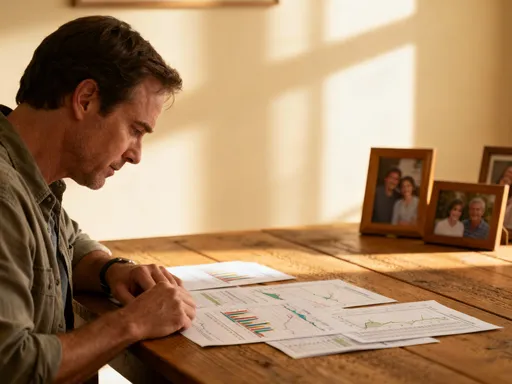
The cornerstone of responsible collecting is a realistic and disciplined budget. Without one, even modest purchases can accumulate into significant financial pressure over time. A collector’s budget does not mean depriving yourself of meaningful acquisitions; rather, it ensures that each purchase enhances your life without compromising your financial foundation. The first step in building such a budget is assessing your current financial situation. This includes reviewing monthly income, fixed expenses, savings contributions, debt obligations, and emergency fund levels. Only once you understand your cash flow can you determine how much discretionary income is truly available for non-essential spending like antiques.
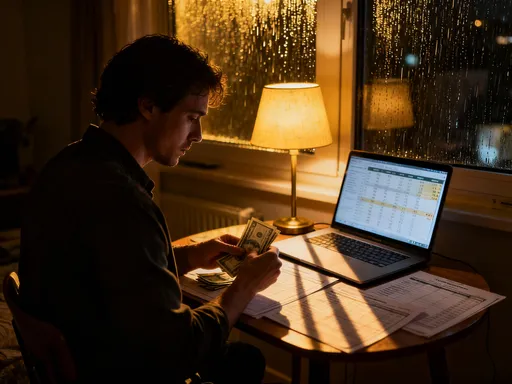
From there, it’s wise to allocate a specific portion of your discretionary income toward collecting. For many, this ranges between 5% and 15%, depending on income level and other financial priorities. The key is consistency—treating your collecting fund like any other recurring expense or savings goal. Some collectors use a dedicated savings account, automatically transferring a fixed amount each month. This method builds capital gradually and reduces the temptation to overspend during moments of excitement at auctions or estate sales. It also allows time for research and reflection before making major purchases, fostering more thoughtful decisions.
Beyond setting a total annual limit, it helps to establish tiers within your budget. For example, you might designate a portion for smaller items under $200—such as decorative objects or books—while reserving larger amounts for high-value pieces like furniture or fine art. This tiered structure encourages prioritization and prevents a single purchase from consuming your entire budget. Additionally, consider integrating your collecting goals into your broader financial plan. If you’re saving for retirement, a child’s education, or a home purchase, your antique spending should not interfere with those objectives. In fact, some collectors use their collection as a long-term wealth-building tool, but only after ensuring core financial needs are met first.
Another critical aspect of budgeting is tracking expenses. Keeping detailed records of every purchase—not just the price but also the date, seller, and condition—helps identify spending patterns and evaluate return on investment over time. It also simplifies insurance documentation and resale efforts. Tools like spreadsheets or personal finance apps can automate much of this process, providing clarity and accountability. By building a collector’s budget rooted in financial stability, you transform impulsive buying into intentional acquisition, ensuring that your passion remains sustainable for years to come.
Valuation vs. Emotion: Making Smarter Buying Decisions
One of the most common pitfalls in antique collecting is allowing emotion to dictate value. A piece may evoke memories, represent a cherished era, or carry sentimental weight—but these feelings do not guarantee market worth. Paying for sentiment rather than substance often leads to overpayment and disappointment, especially when attempting to resell. To avoid this, collectors must develop the discipline to separate emotional appeal from objective valuation. This requires research, patience, and a willingness to walk away from a tempting deal. The difference between a wise acquisition and a regrettable purchase often comes down to whether due diligence was performed before the transaction.
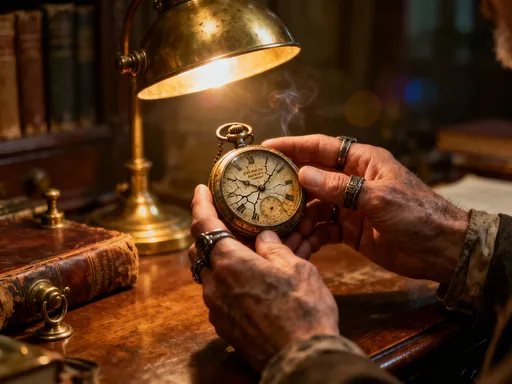
Understanding true value begins with authentication. Many antiques are mislabeled, restored beyond recognition, or even outright reproductions. Consulting reputable dealers, appraisers, or specialists in a particular category—such as ceramics, furniture, or textiles—can help verify authenticity. Reputable auction houses often provide provenance details, which trace ownership history and add credibility to an item’s legitimacy. Provenance, along with documentation like original receipts or exhibition records, can significantly enhance value. Condition is equally important; minor repairs may be acceptable, but extensive restoration can diminish both historical integrity and market price.
Market research is another essential step. Online price databases, past auction results, and collector forums offer valuable insights into recent sales of comparable items. These tools help establish a realistic price range and prevent overbidding in competitive environments. For instance, a Victorian sideboard selling for $3,000 at a local auction may actually be worth closer to $1,800 based on national trends. Being informed empowers you to negotiate confidently or decline offers that don’t align with fair market value. Attending auctions—not to bid, but to observe—can also sharpen your understanding of demand, buyer behavior, and pricing dynamics.
To further guard against emotional decisions, many successful collectors implement a personal bidding limit. This is a pre-determined maximum amount they are willing to pay for a specific type of item, based on research and budget constraints. Once that limit is reached, they step back—even if others continue bidding. This rule removes impulse from the equation and enforces financial discipline. Additionally, adopting a “wait period” policy—where you delay a purchase for 48 hours or longer—can help cool initial excitement and allow room for rational evaluation. Over time, these practices foster a mindset shift: from chasing desire to pursuing value. When emotion and valuation are balanced, collecting becomes not only more enjoyable but also more financially sound.
Diversifying Risk: How to Treat Antiques as Part of a Broader Portfolio
While antiques can appreciate and bring personal satisfaction, they should not dominate a household’s net worth. Unlike stocks, bonds, or real estate, antiques are considered alternative or tangible assets, which come with unique risks and limitations. The most significant of these is liquidity—converting an antique into cash typically takes longer and involves higher transaction costs than selling a mutual fund or withdrawing from a brokerage account. Additionally, the market for antiques is niche and cyclical, influenced by changing tastes, economic conditions, and collector trends. Relying too heavily on such assets can expose individuals to undue financial risk, particularly in times of economic downturn or personal crisis.
This is why diversification remains a fundamental principle of sound financial management—even for collectors. A balanced portfolio includes a mix of asset classes: equities for growth, fixed-income securities for stability, real estate for inflation protection, and, optionally, collectibles for personal enjoyment and potential appreciation. Financial advisors often recommend that alternative assets like art, wine, or antiques represent no more than 5% to 10% of total net worth. Staying within this range ensures that your wealth is not overly exposed to the volatility and illiquidity of physical collectibles. It also preserves flexibility, allowing you to adapt to life changes without being forced to sell prized possessions under unfavorable conditions.
Diversification also applies within the collection itself. Just as investors avoid putting all their money into a single stock, collectors should avoid over-concentrating in one category or era. Owning ten 19th-century chairs may feel cohesive, but if demand for that style declines, your entire collection could lose value simultaneously. Instead, consider spreading acquisitions across different types—furniture, ceramics, textiles, silverware—or periods, such as Georgian, Victorian, or Art Deco. Geographic diversity can also help; European porcelain may perform differently than American folk art, depending on regional market trends. This approach reduces exposure to sector-specific risks and increases the likelihood that at least part of your collection will retain or grow in value over time.
Furthermore, integrating your collecting activity into your overall investment strategy means regularly reviewing its role in your financial picture. Annual assessments can help determine whether your collection is aligned with your goals, whether insurance coverage is adequate, and whether rebalancing is needed. For example, if a piece has appreciated significantly, selling a portion of it and reinvesting the proceeds into more liquid assets can lock in gains while maintaining portfolio balance. By treating antiques as one component of a diversified financial plan—not the centerpiece—you protect both your heritage and your financial future.
Protecting Your Investment: Insurance, Storage, and Documentation
Once an antique is acquired, the responsibility of ownership begins. Unlike everyday household items, antiques often carry significant financial and emotional value, making protection a top priority. The three pillars of safeguarding a collection are insurance, storage, and documentation. Neglecting any one of these areas can turn a treasured possession into a financial liability. Proper insurance, for instance, is not a luxury—it’s a necessity. Standard homeowners or renters insurance policies typically offer limited coverage for collectibles and often exclude high-value items entirely. Without a specialized rider or a separate fine art and collectibles policy, you risk being severely undercompensated in the event of theft, fire, or accidental damage.
When selecting insurance, work with providers experienced in valuing antiques. They will require detailed appraisals—ideally updated every three to five years—to reflect current market values. Policies should cover not only replacement cost but also restoration expenses and temporary loss of use. Some insurers even offer global coverage for items transported to exhibitions or stored off-site. Premiums vary based on item value, location, and security measures, so it’s worth comparing options and asking about discounts for alarm systems, secure storage, or membership in collector organizations.
Storage is equally critical. Antiques are sensitive to environmental conditions such as humidity, temperature fluctuations, and direct sunlight. Wood can warp, metals can tarnish, and textiles can fade if not stored properly. Climate-controlled spaces with stable temperatures (around 68–72°F) and relative humidity (40–50%) are ideal. Avoid basements and attics, which are prone to moisture and pests. Display cases with UV-protective glass help preserve delicate finishes, while acid-free tissue paper and padded hangers protect fragile items like clothing or lace. For high-value pieces, consider professional storage facilities designed for fine art and antiques, which offer enhanced security, monitoring, and handling protocols.
Finally, thorough documentation ensures that your collection remains organized, insurable, and transferable. Maintain a digital inventory with high-resolution photos, purchase receipts, appraisal reports, provenance records, and notes on condition and restoration history. Cloud-based storage with backup options protects against data loss. This documentation not only supports insurance claims but also simplifies estate planning, helping heirs understand the value and significance of each piece. Together, insurance, storage, and documentation form a protective framework that honors the legacy of your collection while minimizing financial risk.
When to Sell: Timing the Market and Managing Gains
Selling an antique should be a strategic decision, not an emotional reaction. Many collectors hesitate to part with pieces, even when it makes financial sense, because of the personal connection they’ve formed. Others rush to sell during moments of financial pressure, accepting offers below market value. A disciplined approach to selling involves recognizing the right时机—based on market conditions, personal needs, and collection goals—and executing the transaction efficiently. Knowing when and how to sell can turn a static asset into working capital, enabling reinvestment, debt reduction, or financial security.
Market timing plays a crucial role. Antique values are influenced by collector demand, economic trends, and cultural shifts. For example, mid-century modern furniture saw a surge in popularity during the 2010s, driven by interior design trends and celebrity endorsements. Selling during such peaks can yield strong returns. Conversely, periods of economic uncertainty may dampen buyer interest, leading to lower prices. Monitoring auction results, dealer prices, and collector forums helps identify favorable selling windows. Working with a reputable auction house or dealer can also provide insights into current demand and optimal timing.
Tax considerations are another important factor. In many jurisdictions, profits from the sale of antiques held for more than a year are subject to capital gains tax. The rate depends on income level and holding period, so consulting a tax professional before selling high-value items is advisable. Keeping detailed records of purchase price, improvements, and sale proceeds ensures accurate reporting and may reduce tax liability. In some cases, donating antiques to accredited museums or institutions can provide charitable tax deductions while preserving cultural heritage.
Finally, the purpose of the sale matters. Is it to rebalance your collection, raise funds for a major expense, or simplify your lifestyle? Defining the goal helps determine which items to sell and how to use the proceeds. Some collectors follow a “one in, one out” rule, selling an older piece to finance a new acquisition. Others use sales to strengthen their financial foundation—paying down debt, boosting retirement savings, or funding education. By approaching sales with clarity and discipline, collectors ensure that their passion continues to support, rather than hinder, long-term financial well-being.
The Long Game: Growing Wealth Through Disciplined Collecting
True success in antique collecting is not measured by the number of items owned or the square footage they occupy. It is measured by the harmony between personal fulfillment and financial responsibility. A collection built with passion but managed with discipline can become a source of lasting value—both emotional and economic. The journey requires more than taste or knowledge; it demands budgeting, risk awareness, research, and foresight. When these elements come together, collecting transcends mere acquisition and becomes a form of mindful wealth-building.
Over time, disciplined practices compound. A carefully researched purchase today may double in value over a decade. A well-documented and insured collection can pass smoothly to future generations, preserving family history and financial assets alike. Avoiding emotional spending frees up capital for other goals, creating a virtuous cycle of financial health. And by treating antiques as part of a broader financial strategy—diversified, protected, and periodically reviewed—collectors ensure that their passion remains sustainable through market shifts and life changes.
In the end, the most valuable antiques are not always the most expensive. They are the ones acquired with intention, preserved with care, and integrated into a life of balance. Whether displayed in a sunlit parlor or stored in a climate-controlled vault, they stand as testaments to patience, wisdom, and foresight. By managing money wisely while building a collection, you do more than preserve the past—you secure the future.