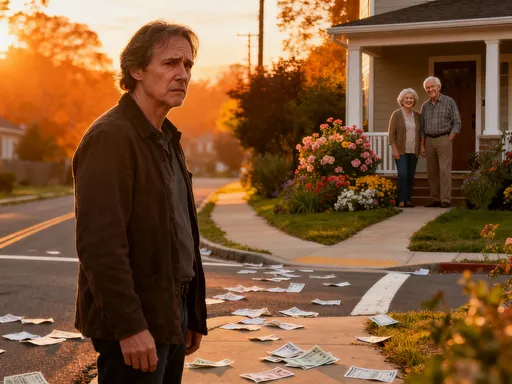
How I Lost Big Before Learning the Real Rules of Financial Freedom
What does financial freedom really mean? For me, it started with dreams of early retirement and passive income—but quickly turned into stress and losses. I chased flashy strategies, believed 'get-rich-quick' stories, and fell into traps many don’t talk about. This is my story of costly mistakes, hard-earned lessons, and the real financial cases that reshaped my mindset. No hype, no false promises—just honest insights from someone who’s been there. I didn’t lose money because I was lazy; I lost it because I was overconfident, uninformed, and emotionally driven. My journey wasn’t unique. In fact, it mirrors the experiences of countless people who start with good intentions but lack the right framework. This article isn’t about financial perfection. It’s about progress, awareness, and learning from real consequences. If you’ve ever felt overwhelmed by money choices or tempted by shortcuts, this is for you.
The Dream That Led Me Down the Wrong Path
Financial freedom, as I once imagined it, meant escaping the 9-to-5 grind by age 35, living off investment returns, and traveling the world without financial worry. That vision was powerful, even intoxicating. It gave me motivation, but also blind spots. I began treating money as a ticket to liberation, not as a tool for long-term security. The problem wasn’t the dream itself—it was how I pursued it. I skipped foundational planning and jumped straight into high-risk bets, convinced that discipline meant action, not patience. I liquidated a portion of my retirement savings to fund speculative trades, believing I could ‘time the market’ with enough research and instinct. I didn’t realize that timing the market is one of the most dangerous illusions in investing, consistently proven by decades of financial data.
My early moves were influenced by online gurus promoting rapid wealth through cryptocurrency, options trading, and real estate flipping. These stories were compelling, often wrapped in luxury lifestyles and dramatic success narratives. But they rarely mentioned the losses, the sleepless nights, or the years of failed attempts behind the scenes. I ignored the fact that for every person who struck gold, thousands lost money following the same advice. I assumed I was the exception. This mindset led me to take on debt to amplify my positions, leveraging my home equity to invest in a private tech startup. At the time, it felt bold and strategic. In hindsight, it was reckless. When the company failed to secure its next funding round, my investment vanished—along with a significant portion of my financial cushion.
What I didn’t understand then was the concept of risk tolerance. I had no clear sense of how much volatility I could emotionally and financially withstand. I measured progress only by gains, not by stability. I failed to ask basic but critical questions: What happens if this goes wrong? Do I have an exit strategy? How will this affect my family if I lose everything? These are the questions that matter, not just ‘How much can I make?’ The dream of freedom had become a distraction from the real work: building a resilient financial foundation. It took losing a substantial amount to realize that freedom isn’t found in escaping work—it’s found in creating systems that protect you from financial shock.
The Hidden Dangers of “Passive Income” Hype
Passive income is one of the most misunderstood concepts in personal finance. It’s often portrayed as effortless money—automated systems that generate cash while you sleep. I bought into this idea completely. I invested in real estate crowdfunding platforms, bought dividend-heavy ETFs, and even experimented with algorithmic trading bots promising daily returns with zero effort. The appeal was undeniable. As a busy person managing family responsibilities, the idea of earning without time investment was incredibly attractive. But what I discovered, often too late, was that no income stream is truly passive. Each comes with hidden costs, maintenance, and risks that aren’t advertised.
Take real estate crowdfunding, for example. On paper, it looked ideal: pool money with other investors, fund property developments, and collect returns based on rental income or appreciation. No need to deal with tenants or repairs. But when one of the projects I invested in faced zoning delays and construction overruns, returns stalled for over a year. I had no control, no transparency, and limited ability to exit. I learned that ‘passive’ doesn’t mean ‘risk-free’—it just shifts the burden. Similarly, dividend investing seemed safe until I realized that high yields can be a warning sign. Some companies pay large dividends not because they’re thriving, but because they’re trying to attract investors while their stock price declines. I held shares in a telecom firm that cut its dividend after regulatory changes, wiping out months of income in one announcement.
Even automated trading bots, marketed as set-and-forget tools, required constant monitoring. One bot I used began making erratic trades during market volatility, draining my account before I noticed. I had assumed the technology was foolproof, but it was only as good as its programming—and the market conditions it was designed for. These experiences taught me a crucial lesson: sustainable income requires ongoing attention, evaluation, and adjustment. True financial systems aren’t built on autopilot; they’re built on discipline, oversight, and realistic expectations. Instead of chasing multiple streams, I now focus on a few reliable sources—like a diversified portfolio of low-cost index funds and a side business I actively manage. The income isn’t instant, but it’s consistent, transparent, and under my control.
Why Chasing Returns Almost Broke Me
For years, I measured my financial success by one number: annual return. If my portfolio grew by 15%, I felt like a genius. If it grew by 5%, I felt like a failure. This obsession with performance blinded me to the bigger picture. I started moving money frequently, chasing whatever asset class was hot—first tech stocks, then crypto, then emerging markets. I celebrated short-term wins without considering long-term consequences. What I didn’t realize was that high returns often come with high volatility, and volatility can destroy wealth faster than poor performance. One bad year can erase five years of gains, especially if you panic and sell at the bottom.
My turning point came during a sharp market correction. I had heavily invested in a cryptocurrency that surged 300% in eight months. Fueled by excitement and confirmation bias, I doubled down, even borrowing to increase my position. When the bubble burst, the asset lost 70% of its value in weeks. I held on, hoping for a rebound, but the damage was done. The loss wasn’t just financial—it was psychological. I felt shame, regret, and fear. More importantly, I had to delay major life goals, like helping my children with college costs and upgrading our home. That experience forced me to rethink everything. I began studying risk-adjusted returns, a concept used by professional investors to evaluate performance relative to risk taken. I learned that a 7% return with low volatility is often better than a 12% return with extreme swings, especially over decades.
I also started tracking my behavior, not just my portfolio. I noticed patterns: I was more likely to take risks after a win, and I avoided reviewing my investments during downturns. Behavioral finance research confirms this—investors often act emotionally, not rationally. I began setting rules: no investment over 5% of my portfolio without deep research, no leverage on speculative assets, and a mandatory 72-hour cooling-off period before any major decision. These guardrails didn’t make me richer overnight, but they prevented catastrophic mistakes. Today, I focus on consistency, not heroics. I aim for steady growth through diversified, low-cost investments rather than chasing the next big thing. The peace of mind is worth far more than any short-term gain.
The Overlooked Power of Risk Control
After my losses, I realized I had never truly managed risk—I had only hoped for good outcomes. Risk control wasn’t part of my strategy. I didn’t have stop-loss orders, emergency funds, or diversification rules. I assumed the market would always go up, and that I could handle any downturn. That assumption was my biggest vulnerability. Risk isn’t just about losing money; it’s about losing options. When your finances are exposed, you can’t afford to wait, to recover, or to make thoughtful decisions. You’re forced into reactive moves, often at the worst possible time. I learned that protecting capital is more important than growing it—especially in the early and middle stages of wealth building.
My new approach centers on three core principles: diversification, position sizing, and liquidity. Diversification means spreading investments across different asset classes—stocks, bonds, real estate, and cash—to reduce exposure to any single risk. I no longer put more than 10% of my portfolio in any one category, and no more than 5% in individual stocks. Position sizing ensures I never bet too much on one idea. Even if I’m confident in a company, I limit my initial investment and scale in only if fundamentals improve. Liquidity is equally important. I now keep 6–12 months of living expenses in accessible, low-risk accounts. This buffer allows me to avoid selling investments during downturns, which is often the worst financial decision people make.
I also stress-test my portfolio regularly. I ask: What if the stock market drops 30%? What if interest rates rise sharply? What if I lose my income? Running these scenarios helps me prepare emotionally and financially. I’ve adjusted my asset allocation to be more conservative as I’ve aged, shifting from growth-focused to income-and-preservation-focused. This doesn’t mean I’ve stopped investing—it means I invest with clarity and caution. I’ve also eliminated high-cost products, like actively managed funds with high fees, which eat into returns over time. Instead, I use low-cost index funds and ETFs, which provide broad market exposure at a fraction of the cost. These changes didn’t make my portfolio the highest-performing, but they made it the most resilient—and that’s what matters for long-term freedom.
Building Wealth Without Obsessing Over Money
One of the most surprising lessons I’ve learned is that the less I obsess over money, the more I seem to build it. When I was chasing wealth, I was anxious, reactive, and always looking for the next opportunity. Now, with a structured plan, I’m calmer, more intentional, and focused on long-term outcomes. True financial freedom isn’t about the size of your bank account—it’s about the quality of your life. It’s having the ability to say no to things that don’t align with your values, to protect your time, and to make choices without financial fear. I’ve shifted from aggressive accumulation to sustainable growth, and the difference is profound.
I now automate my savings and investments, so I’m not tempted to spend or tinker constantly. I’ve aligned my spending with my priorities—family, health, education, and experiences—rather than status or appearances. I avoid lifestyle inflation, the habit of increasing spending as income rises. It’s easy to upgrade your car, home, or vacations when you earn more, but that path leads to a larger financial burden, not freedom. I’ve also learned the value of delayed gratification. Instead of buying something immediately, I wait 30 days. Most of the time, I realize I don’t need it. This simple rule has saved me thousands and reduced financial stress.
Equally important is protecting time. I used to believe that more work meant more money, but now I see that time is the real currency. I’ve simplified my financial life—consolidating accounts, using reliable tools, and working with a fee-only financial advisor when needed. I don’t check my portfolio daily, and I don’t react to market noise. I review it quarterly, stick to my plan, and focus on what I can control: saving consistently, spending wisely, and staying disciplined. This mindset has brought me more peace than any investment ever did. Financial freedom, I’ve realized, isn’t a destination—it’s a way of living.
Lessons from Real Financial Cases That Changed My Game
To rebuild my confidence, I studied real financial journeys—not just the outliers who retired at 30, but ordinary people who built stability through consistency. One case that stood out was a couple in their 50s who never earned six-figure incomes but retired comfortably by living below their means, saving 20% of their income for 30 years, and investing in low-cost index funds. They didn’t chase trends or take big risks. Their secret? Discipline and patience. Another story involved a woman who retired early using the FIRE (Financial Independence, Retire Early) method but had to return to work after a market crash wiped out her portfolio. She hadn’t accounted for sequence-of-returns risk—the danger of withdrawing money during a downturn.
These cases taught me that behavior matters more than returns. The most successful people weren’t the ones with the highest IQs or the best stock picks—they were the ones who stayed the course, avoided panic, and kept costs low. I also learned from failures. A friend invested heavily in a single biotech startup, convinced it would be the next big breakthrough. When the clinical trials failed, he lost everything. Another acquaintance followed a financial advisor who promised 15% annual returns. It turned out to be a Ponzi scheme. These aren’t rare stories—they’re warnings. They highlight the importance of skepticism, due diligence, and diversification.
I now evaluate financial decisions not by potential reward, but by the worst-case scenario. I ask: Can I afford to lose this money? Is this too good to be true? Do I understand how it works? These questions have prevented me from repeating past mistakes. I’ve also embraced the idea of ‘good enough’ returns. Earning 6–8% annually through a balanced portfolio may not make headlines, but it can double your money every 9–12 years, thanks to compounding. That’s powerful over time. The real wealth builders aren’t the gamblers—they’re the steady, patient, and cautious ones.
My New Rules for Sustainable Financial Freedom
Today, my financial philosophy is simple: prioritize safety, consistency, and clarity. I no longer seek shortcuts or dramatic wins. Instead, I focus on principles that stand the test of time. My first rule is capital preservation. I protect what I have before chasing what I want. This means avoiding speculation, using diversification, and maintaining liquidity. My second rule is investing with purpose. Every dollar I invest has a role—whether it’s for growth, income, or inflation protection. I don’t invest in anything I don’t understand, and I avoid complex products with hidden fees.
My third rule is measuring progress beyond net worth. I track financial health through multiple lenses: debt-to-income ratio, savings rate, emergency fund coverage, and peace of mind. These metrics give me a fuller picture than a single number. I also stay informed without being reactive. I read reputable financial publications, but I don’t make decisions based on headlines. I review my plan annually, adjust as needed, and ignore the noise. Finally, I accept that uncertainty is part of the process. Markets will fluctuate, economies will change, and personal circumstances will evolve. The goal isn’t to predict the future—it’s to be prepared for it.
Financial freedom, I’ve learned, isn’t about luck or genius. It’s about habits, discipline, and resilience. It’s about learning from mistakes, staying grounded, and focusing on what truly matters. My journey wasn’t easy, but it was necessary. I lost money, yes—but I gained something more valuable: wisdom. And if my story helps even one person avoid the same pitfalls, then every loss was worth it. The real rules of financial freedom aren’t found in hype or secrets. They’re found in patience, preparation, and the quiet power of doing the right thing, consistently, over time.